

-
 by Certified Arborist
 - 11 Feb 2026
- Views: 27
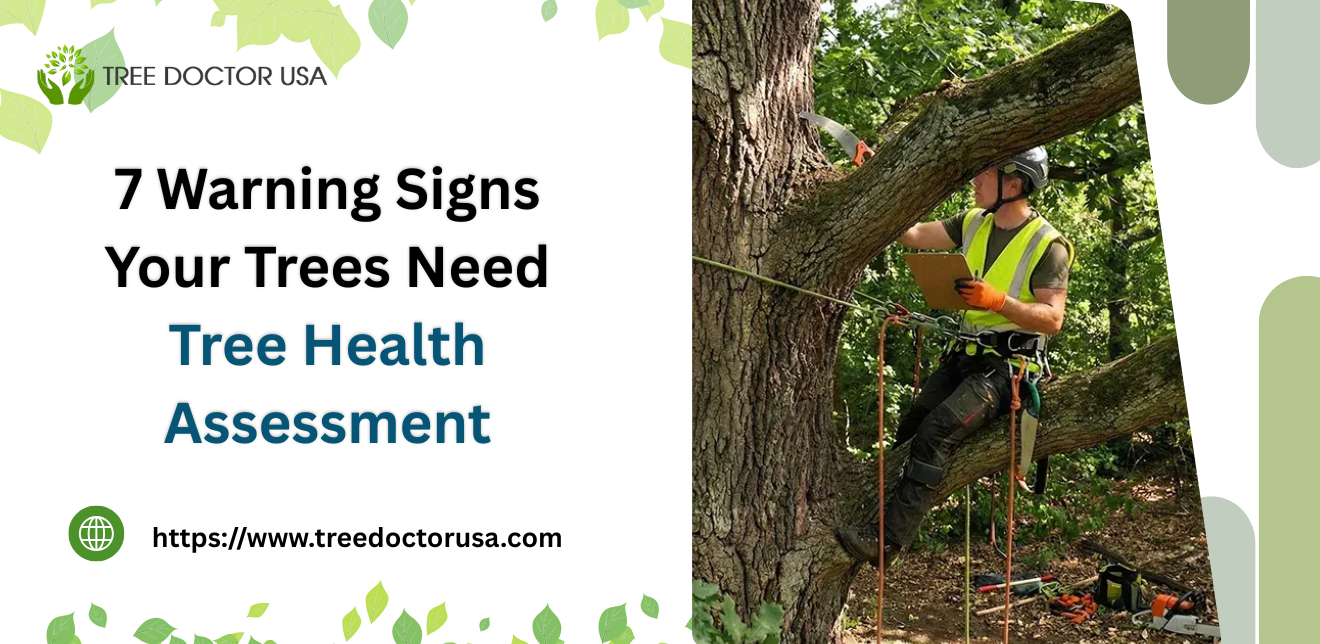
7 Warning Signs Your Trees Are Crying for Help & How a Tree Health Assessment Can Save Them
Trees are often called the silent guardians of our environment. They beautify landscapes, improve air quality, provide shade, and even increase property value. However, just like humans and animals, trees can experience stress, disease, and structural problems. The difference is that trees cannot speak — they communicate their distress through visible warning signs. Ignoring these signals can lead to tree death, property damage, or even safety hazards.
Understanding the warning signs of unhealthy trees and investing in a professional tree health assessment can make a significant difference. Early detection allows you to treat issues before they become irreversible. In this comprehensive guide, we will explore the seven most common warning signs that your trees are struggling and how proper evaluation can help restore their vitality.
Why Tree Health Matters More Than You Think
Healthy trees do more than enhance your yard’s appearance. They play a crucial role in maintaining ecological balance and improving your quality of life.
Trees provide oxygen, reduce pollution, regulate temperature, and support wildlife habitats. They also help control soil erosion and reduce noise pollution. On a personal level, well-maintained trees can increase property value and create a peaceful outdoor environment.
However, when trees become unhealthy or structurally weak, they can pose serious risks. Falling branches, root damage, and disease spread can lead to costly repairs and dangerous situations. This is why regular tree inspections and health assessments are essential.
What Is a Tree Health Assessment?
A tree health assessment is a professional evaluation that determines the overall condition of a tree. Certified arborists carefully inspect various aspects of the tree, including:
- Leaf health and density
- Bark condition
- Root stability
- Branch structure
- Signs of pests or diseases
- Soil quality and environmental stress factors
This assessment helps identify problems early and provides recommendations such as pruning, fertilization, pest control, or structural support. In severe cases, it may suggest safe tree removal to prevent hazards.
Warning Sign #1: Discolored or Wilting Leaves
Leaves are often the first indicator of tree health problems. If your tree’s leaves appear discolored, wilted, or unusually dry, it could signal underlying stress.
Common Leaf Problems Include:
- Yellowing leaves indicating nutrient deficiency
- Brown or scorched edges caused by dehydration or disease
- Premature leaf drop
- Spots or fungal growth on leaves
These symptoms can result from poor soil quality, pest infestation, root damage, or environmental stress. A professional tree health assessment can determine the exact cause and recommend proper treatment such as soil improvement or disease management.
Warning Sign #2: Dead or Falling Branches
Dead branches are one of the most dangerous warning signs of tree decline. While occasional branch shedding is natural, excessive deadwood indicates serious structural or health issues.
Dead branches can occur due to:
- Disease or fungal infections
- Pest infestations
- Nutrient deficiency
- Storm or physical damage
Besides affecting tree health, dead branches pose safety risks. They can fall unexpectedly, causing injury or property damage. Regular tree health assessment help identify and remove hazardous branches before accidents occur.
Warning Sign #3: Cracks, Splits, or Peeling Bark
The bark of a tree acts like protective skin. When bark becomes cracked, split, or starts peeling off, it may indicate serious internal damage.
Bark Issues May Signal:
- Disease or fungal infection
- Structural weakness
- Environmental stress
- Pest invasion
Deep cracks or missing bark expose the tree’s inner layers, making it vulnerable to infection and decay. Arborists can evaluate whether the damage is treatable or if structural support is necessary to prevent tree failure.
Warning Sign #4: Leaning Trees or Unstable Structure
A slight lean in trees is sometimes natural. However, sudden leaning or increasing tilt can indicate root failure or soil instability.
Trees may lean due to:
- Root rot or decay
- Soil erosion
- Storm damage
- Improper planting or landscaping changes
A leaning tree can become a serious hazard, especially during storms or strong winds. Professional tree health assessments include root inspections and stability analysis to determine whether the tree can be saved or requires corrective measures.
Book Your Professional Tree Health Assessment Today!
Warning Sign #5: Fungal Growth Around the Base
The presence of mushrooms or fungal growth near a tree’s base often signals internal decay or root rot. While fungi naturally break down organic matter, their presence around living trees can indicate structural deterioration.
Common Signs of Root Decay Include:
- Mushrooms growing around the trunk
- Soft or spongy wood
- Visible cavities or hollow sections
- Reduced leaf growth
Root damage weakens the tree’s foundation, increasing the risk of sudden collapse. Early diagnosis through a tree health assessment allows arborists to evaluate the severity and suggest treatments or safety solutions.
Warning Sign #6: Pest Infestation or Insect Damage
Insects and pests can severely damage trees by feeding on leaves, bark, or internal tissues. While some insects are harmless, others can quickly spread disease and weaken the tree.
Also Read: How Much Does Tree Assessment Cost?
Common Pest Indicators Include:
- Holes in bark or leaves
- Sawdust-like residue near the trunk
- Visible insects such as beetles or borers
- Sticky residue or honeydew secretion
Pest infestations often go unnoticed until significant damage occurs. Arborists use specialized tools and treatments to eliminate pests while preserving tree health.
Warning Sign #7: Slow Growth or Sparse Foliage
Healthy trees typically produce consistent leaf growth and seasonal development. If your tree shows reduced foliage, thinning canopy, or stunted growth, it may be experiencing stress.
Poor growth can result from:
- Nutrient deficiency
- Root damage or restricted root space
- Environmental pollution
- Improper watering practices
A professional tree health assessment helps identify nutrient imbalances or environmental stress factors. Solutions may include fertilization, soil aeration, or irrigation adjustments.
How Environmental Factors Affect Tree Health
Trees are highly sensitive to their surroundings. Urban development, construction, pollution, and climate change can significantly impact their growth and stability.
Key Environmental Stress Factors Include:
- Soil compaction from heavy foot traffic
- Air pollution affecting leaf function
- Extreme weather conditions
- Improper landscaping practices
Understanding these environmental influences helps arborists recommend preventive measures that protect trees from long-term damage.
The Role of Professional Arborists in Tree Care
Certified arborists are trained specialists who understand tree biology, disease management, and structural evaluation. Their expertise goes beyond basic tree trimming or landscaping.
Professional arborists provide:
- Accurate tree health diagnosis
- Customized treatment plans
- Risk assessment for safety
- Preventive care and maintenance
Hiring professionals ensures your trees receive proper care based on scientific evaluation rather than guesswork.
Benefits of Regular Tree Health Assessments
Routine tree inspections offer multiple advantages for homeowners and property managers.
Major Benefits Include:
- Early disease detection prevents irreversible damage
- Improved tree lifespan through proper care
- Enhanced property safety by identifying hazards
- Better landscape aesthetics with healthy growth
- Cost savings by preventing expensive emergency tree removal
Regular monitoring helps maintain strong, vibrant trees that enhance your outdoor environment.
Preventive Tree Care Tips for Long-Term Health
While professional assessments are essential, homeowners can take several preventive steps to maintain tree health.
Simple Tree Care Practices:
- Provide consistent watering, especially during dry seasons
- Apply mulch to retain soil moisture and regulate temperature
- Avoid damaging roots during construction or landscaping
- Prune branches carefully to promote healthy growth
- Monitor trees regularly for visible warning signs
Combining these practices with professional inspections ensures long-term tree vitality.
When Should You Schedule a Tree Health Assessment?
Tree health assessments should be conducted:
- After severe storms or natural disasters
- When visible warning signs appear
- Before major landscaping or construction projects
- As part of annual property maintenance
Early evaluation allows arborists to address problems before they escalate into safety risks or costly tree removal.
How Tree Health Impacts Property Value and Safety
Healthy trees significantly enhance property appeal and market value. They create attractive landscapes, provide shade, and improve environmental quality.
However, neglected or diseased trees can lower property value and increase liability risks. Falling branches or unstable trees may cause injuries or structural damage. Investing in regular tree health assessments helps maintain both property aesthetics and safety standards.
Conclusion
Trees are living assets that require proper care, attention, and timely evaluation. Recognizing the seven warning signs of tree distress — including discolored leaves, dead branches, bark damage, leaning structure, fungal growth, pest infestation, and slow growth — can help prevent serious damage and safety hazards.
A professional tree doctor plays a crucial role in identifying underlying problems and providing effective treatment solutions. Regular inspections not only extend tree lifespan but also protect property value, environmental balance, and personal safety.
By staying alert to these warning signs and seeking expert evaluation when necessary, you can ensure your trees remain strong, healthy, and beautiful for generations to come.
FAQs
A tree health assessment is a professional evaluation conducted by a certified arborist to determine the overall condition of a tree.
It is recommended to schedule a tree health inspection at least once a year. However, if your area experiences severe storms, heavy construction, or visible tree damage, you should arrange an assessment immediately.
Early warning signs include yellowing or wilting leaves, dead branches, cracked bark, fungal growth at the base, slow growth, and pest damage. Detecting these symptoms early can prevent serious tree decline.
Yes, proper pruning and trimming remove dead or diseased branches, improve air circulation, and promote healthy growth. However, incorrect pruning can harm the tree, so it is best handled by professionals.
A certified arborist with over 10 years of hands-on experience, I specialize in tree health care, disease diagnosis, risk assessment, and sustainable pruning practices. Through Tree Doctor USA, I help homeowners and businesses protect urban canopies with science-based care, preventive maintenance, and practical guidance that keeps trees healthy, safe, and resilient.