

-
 by Certified Arborist
 - 20 Dec 2025
- Views: 298
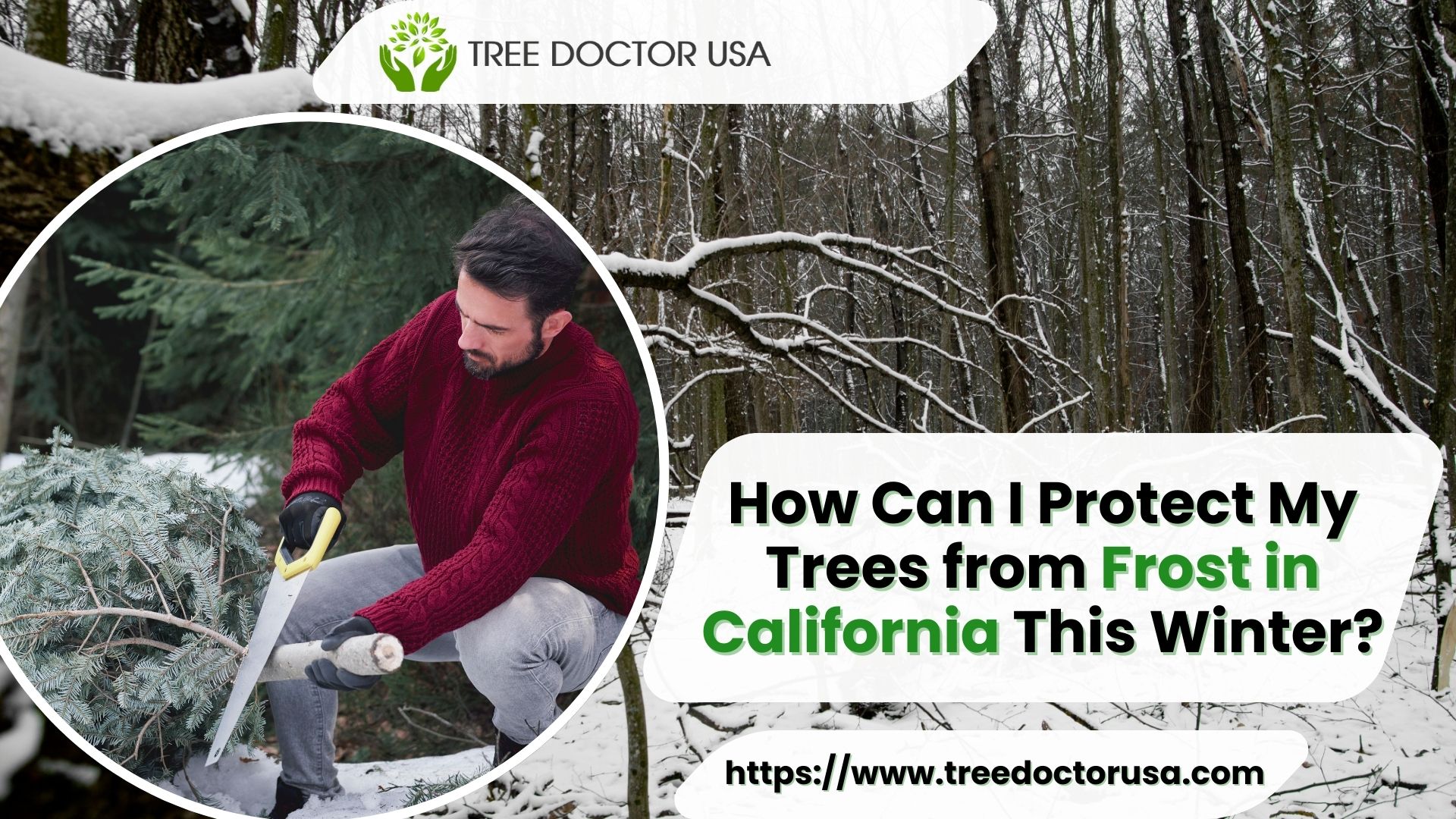
How Can I Protect My Trees from Frost in California This Winter?
Winter in California may be mild compared to other states, but frost can still pose a serious threat to trees, especially during sudden cold snaps. From the Central Valley to higher elevations like the Sierra Nevada foothills—and even parts of Southern California—unexpected frost can damage bark, roots, and new growth if trees aren’t properly protected.
This guide explains how frost damages trees, which trees are most at risk, and practical, proven ways to protect your trees from frost this winter.
Understanding Frost Damage to Trees
What Is Frost Damage?
Frost damage occurs when temperatures drop low enough for moisture inside plant cells to freeze. As water expands, it can rupture cells in the bark, leaves, branches, and roots, leading to long-term stress or even tree death.
Trees are especially vulnerable during clear winter nights when heat escapes quickly from the ground.
Common Signs of Frost Damage
After a frost event, watch for:
- Yellowing, browning, or blackened leaves
- Wilted or drooping young branches
- Cracked or splitting bark
- Dieback on branch tips
Early detection allows you to respond before damage worsens.
Identifying Frost Risk Factors in California
Geographic Considerations
Certain California regions experience higher frost risk, including:
- Central Valley (cold air settles overnight)
- Sierra Nevada foothills & mountain areas
- Desert regions with drastic nighttime temperature drops
- Inland valleys of Southern California
Even coastal areas can experience frost during extreme weather events.
Trees Most Vulnerable to Frost
-
- Fruit trees (citrus, avocado, peach)
- Young or newly planted trees
- Tropical and subtropical species
- Trees already stressed by drought or disease
Practical Tips to Protect Trees from Frost
1. Cover Trees with Frost Cloth or Blankets
Covering trees helps trap ground heat and block cold air.
Best practices:
- Use frost cloth, burlap, or breathable blankets
- Extend coverings to the ground and secure at the base
- Avoid plastic—it traps moisture and worsens frost damage
- Remove covers during the day when temperatures rise
2. Mulch Around the Base
Mulch insulates roots and stabilizes soil temperature.
- Apply 2–4 inches of mulch around the base
- Keep mulch a few inches away from the trunk
- Use straw, wood chips, or shredded bark
3. Wrap Tree Trunks
Young trees benefit from extra trunk protection.
- Use tree wraps, guards, or burlap
- Wrap from the base upward to protect tender bark
- Remove wraps in spring to prevent moisture buildup
4. Use Outdoor Heaters or Christmas Lights
- Non-LED Christmas lights give off gentle warmth
- Wrap lights around branches and trunk
- Small outdoor heaters or heat lamps can help larger trees
- Always follow fire-safety guidelines and avoid contact with foliage.
5. Prune Dead or Weak Branches
- Remove damaged or dead branches before winter
- Avoid heavy pruning during extreme cold
- Proper pruning reduces stress and frost vulnerability
Choosing Frost-Resistant Tree Varieties
Cold-Hardy Trees for California
If you live in a frost-prone area, consider:
- Native oaks
- Pines and cedars
- Maples and sycamores
These trees naturally tolerate colder temperatures.
Drought-Tolerant & Frost-Resistant Options (Southern California)
- Olive trees
- Certain eucalyptus varieties
- Pistache trees
These species handle both water stress and winter cold well.
How to Monitor Trees During Winter
Check Weather Forecasts
- Watch for frost advisories or freeze warnings
- Prepare coverings and materials ahead of time
Inspect Trees Regularly
- Check leaves, bark, and branches after frost
- Adjust coverings if damage appears
- Water soil lightly before frost—moist soil holds heat better
Additional Tips for Specific Tree Types
Citrus Trees
- Cover fully, especially fruit-bearing branches
- Use frost blankets or cloth, not plastic
- Frost protection sprays may provide added support
Fruit Trees
- Mulch heavily around the root zone
- Protect blossoms and young fruit during late frosts
- Delay pruning until frost risk passes
Palm Trees
- Wrap trunks and crown with burlap or frost cloth
- Add mulch at the base
- Extra protection is essential for non-native palms
Conclusion
Protecting your trees from frost in California doesn’t require expensive equipment—just planning, monitoring, and the right techniques. Covering trees, mulching roots, choosing cold-hardy species, and responding quickly to frost warnings can make all the difference.
Start preparing now, and if you have mature or high-value trees, consider consulting a professional tree care service for expert winter protection and pruning.
Protect Your Trees This Winter
Protect your trees from winter frost with expert care and proven solutions—schedule your winter tree protection today.
FAQs
Look for leaf discoloration, cracked bark, and wilted branches within a few days of a frost.
No. Plastic traps moisture and can cause more damage unless used with a fabric layer underneath.
You can still reduce further damage by covering trees and insulating roots before the next freeze.
Plant frost-resistant species, maintain tree health, mulch regularly, and monitor weather conditions.
A certified arborist with over 10 years of hands-on experience, I specialize in tree health care, disease diagnosis, risk assessment, and sustainable pruning practices. Through Tree Doctor USA, I help homeowners and businesses protect urban canopies with science-based care, preventive maintenance, and practical guidance that keeps trees healthy, safe, and resilient.