

-
 by Certified Arborist
 - 16 Feb 2026
- Views: 57
How Certified Arborists Diagnose and Treat Tree Diseases Effectively
Trees are more than just landscape features. They provide shade, improve air quality, increase property value, and create a peaceful outdoor environment. But like all living organisms, trees are vulnerable to disease. When a tree begins to decline, many homeowners assume it just needs water or fertilizer. In reality, the issue could be far more complex. This is where certified arborists step in.
Understanding how professionals identify and treat tree diseases can help you protect your landscape investment. In this in-depth guide, we’ll explore exactly how certified arborists diagnose tree problems, the tools they use, and the most effective treatment strategies they apply to restore tree health.
What Is a Certified Arborist?
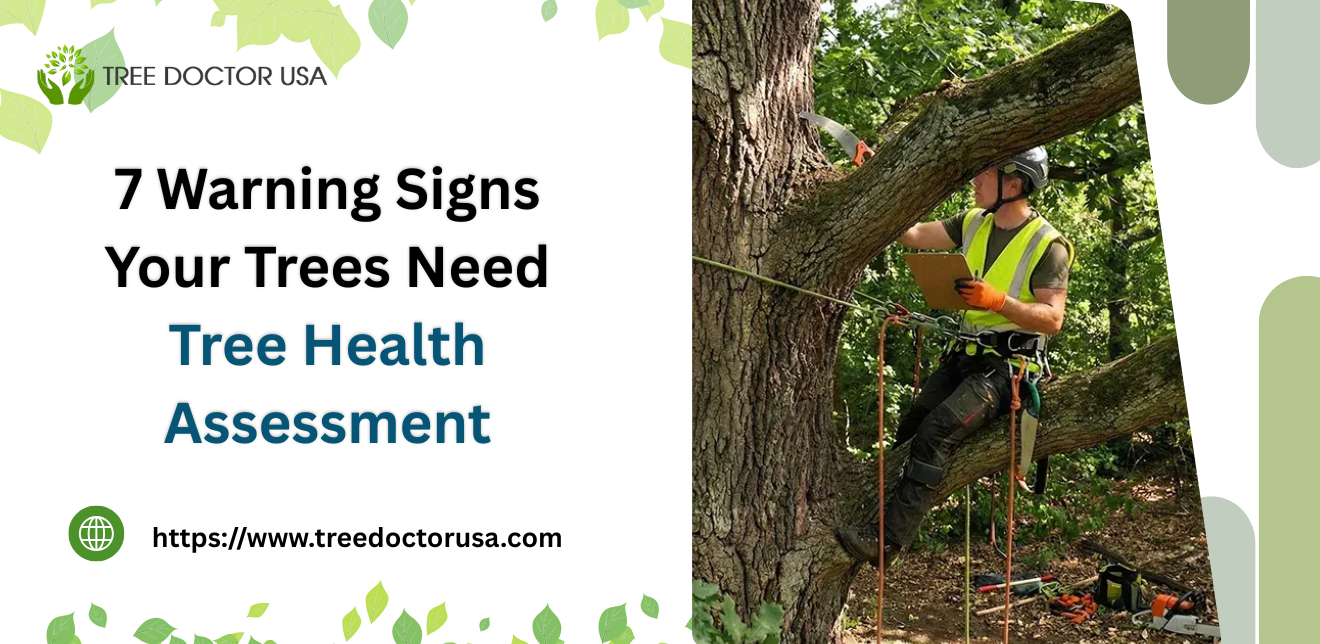
A certified arborist is a trained tree care professional who has demonstrated extensive knowledge in tree biology, diagnosis, maintenance, and safety. Many arborists earn certification through organizations like the International Society of Arboriculture (ISA), which sets high industry standards.
Unlike general landscapers, certified arborists:
- Understand tree anatomy and physiology
- Identify fungal, bacterial, viral, and pest-related diseases
- Recommend science-based treatment plans
- Follow safe and sustainable tree care practices
Their expertise allows them to identify underlying problems rather than just treating visible symptoms.
Why Early Tree Disease Diagnosis Matters
Tree diseases often start subtly. You may notice:
- Yellowing leaves
- Unusual leaf spots
- Premature leaf drop
- Dead branches
- Bark cracking
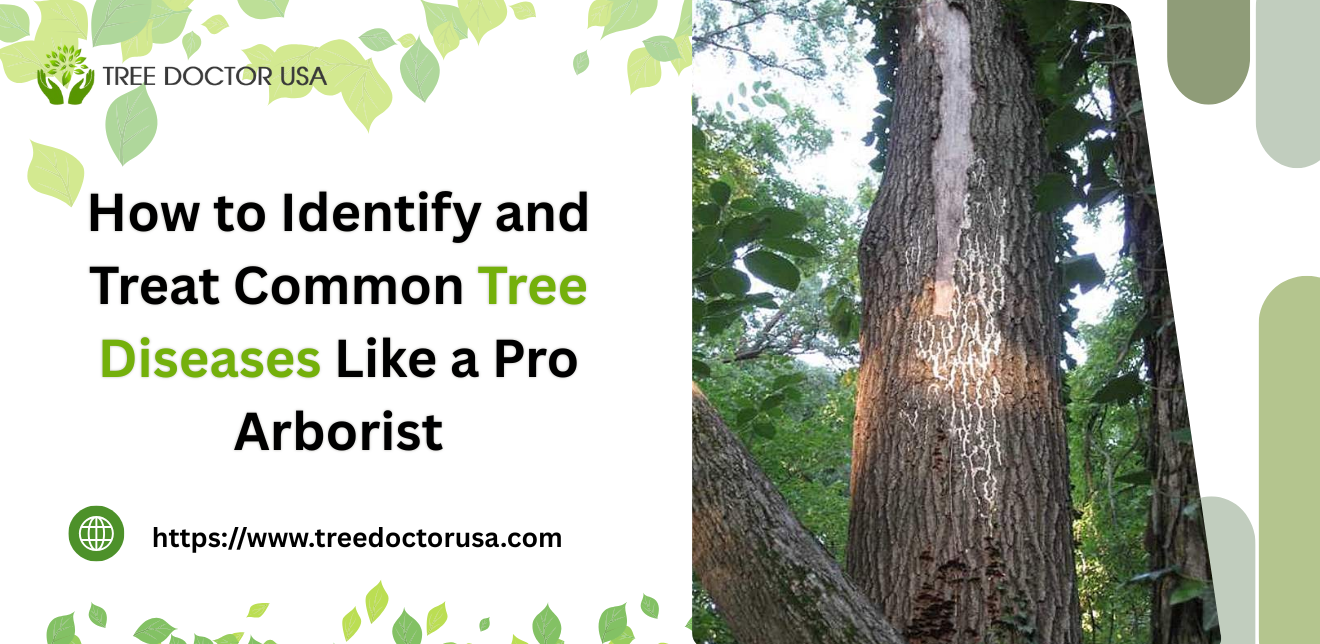
- Fungal growth on the trunk
By the time these symptoms are obvious, the disease may already be advanced. Early diagnosis is crucial because:
- It prevents disease spread to nearby trees
- It reduces costly removal expenses
- It increases the likelihood of full recovery
- It protects structural stability and safety
A certified arborist can detect issues long before they become severe.
Schedule your certified arborist inspection today!
Understanding Common Types of Tree Diseases
Before diving into diagnosis methods, it’s important to understand the major categories of tree diseases.
1. Fungal Diseases
Fungi are the most common cause of tree illness. Examples include root rot, powdery mildew, and canker diseases. These pathogens often thrive in moist environments.
2. Bacterial Infections
Bacterial diseases can cause leaf scorch, oozing cankers, and wilting. They often enter through wounds in the bark.
3. Viral Diseases
Less common but difficult to treat, viral infections may cause distorted leaves and abnormal growth patterns.
4. Pest-Related Disorders
Certain insects weaken trees and make them more susceptible to disease. For example, infestations by pests such as the emerald ash borer have devastated ash tree populations across North America.
Each disease type requires a different diagnostic approach and treatment strategy.
The Step-by-Step Tree Disease Diagnosis Process
Certified arborists follow a structured, science-based process to accurately diagnose tree diseases.
1. Initial Visual Inspection
The first step is a thorough visual examination of the entire tree, including:
- Leaves
- Branches
- Trunk
- Root flare
- Surrounding soil
Arborists look for discoloration, abnormal growth patterns, fungal fruiting bodies, and structural weaknesses.
2. Assessing Environmental Conditions
Tree health is closely tied to its environment. Arborists evaluate:
- Soil drainage
- Compaction levels
- Sunlight exposure
- Nearby construction damage
- Irrigation patterns
Many diseases are stress-related. Identifying environmental stressors is often key to solving the problem.
3. Soil Testing and Analysis
Healthy soil equals healthy trees. Arborists may collect soil samples to test:
- pH levels
- Nutrient deficiencies
- Compaction
- Presence of harmful pathogens
Improper soil conditions can weaken trees and make them more vulnerable to infection.
4. Laboratory Testing
In complex cases, samples of leaves, bark, or soil are sent to a diagnostic laboratory. Microscopic analysis helps confirm the presence of specific fungal spores, bacteria, or pathogens.
This ensures the treatment plan targets the exact cause of disease.
5. Root System Evaluation
Roots are often the hidden cause of tree decline. Arborists inspect the root zone for:
- Root rot
- Girdling roots
- Mechanical damage
- Poor aeration
Because roots are underground, problems can go unnoticed until symptoms appear in the canopy.
Advanced Tools Used by Certified Arborists
Modern arboriculture combines traditional knowledge with advanced technology. Certified arborists may use:
- Resistograph drilling tools to measure internal wood decay
- Air spades to safely expose root systems
- Moisture meters to evaluate soil conditions
- Drones for canopy inspection
- Tree tomography to detect structural weaknesses
These tools allow for accurate diagnosis without causing additional harm to the tree.
How Arborists Determine the Severity of Disease
Not all tree diseases require aggressive treatment. Arborists assess:
- Percentage of canopy affected
- Structural integrity
- Extent of internal decay
- Risk to nearby structures
- Overall vitality of the tree
If more than 50% of the tree is compromised, removal may be recommended. However, many trees can recover with proper care if diagnosed early.
Also Read: Tree Care Tips To Treat A Sick Tree
Effective Treatment Methods Used by Certified Arborists
Once the disease is identified, arborists create a customized treatment plan.
1. Pruning and Removal of Infected Areas
Selective pruning removes diseased branches and improves airflow. Proper pruning:
- Reduces fungal spread
- Encourages healthy growth
- Prevents structural failure
All cuts are made carefully to avoid further stress.
2. Fungicide Applications
For fungal diseases, arborists may apply:
- Systemic fungicides
- Protective sprays
- Soil drenches
Timing is critical. Preventative treatments are often more effective than reactive ones.
3. Insect Control Treatments
If pests are involved, treatment may include:
- Trunk injections
- Soil-applied insecticides
- Beneficial insect releases
Integrated Pest Management (IPM) strategies reduce chemical overuse.
4. Soil Improvement and Aeration
Many tree diseases stem from poor soil health. Arborists may recommend:
- Deep root fertilization
- Organic compost amendments
- Vertical mulching
- Aeration techniques
Improving soil structure enhances root strength and disease resistance.
5. Trunk Injections
Trunk injection therapy delivers treatment directly into the tree’s vascular system. This method is highly effective for certain bacterial and fungal diseases.
It ensures precise dosing and minimal environmental impact.
Preventative Tree Disease Management Strategies
Prevention is always better than cure. Certified arborists emphasize:
- Routine inspections
- Proper watering schedules
- Seasonal pruning
- Mulching techniques
- Avoiding mechanical injury
Healthy trees are naturally more resistant to pathogens.
The Role of Seasonal Tree Care in Disease Prevention
Different seasons bring different risks.
- Spring: Monitor for fungal infections and new insect activity
- Summer: Prevent drought stress and heat damage
- Fall: Prepare trees for dormancy with nutrient support
- Winter: Inspect structural integrity and prune safely
Regular seasonal care ensures year-round tree health.
When Tree Removal Becomes Necessary
Despite best efforts, some trees cannot be saved. Removal may be required if:
- The tree poses a safety hazard
- Internal decay is extensive
- The disease is highly contagious
- Structural stability is compromised
Certified arborists prioritize safety and recommend removal only when absolutely necessary.
Why DIY Tree Disease Treatment Can Be Risky
Homeowners often attempt DIY treatments. Unfortunately, misdiagnosis is common.
Risks include:
- Applying the wrong chemicals
- Over-fertilizing
- Improper pruning
- Spreading infection
- Damaging root systems
Professional arborists base decisions on science, not guesswork.
How Arborists Protect Surrounding Trees
Disease rarely affects just one tree. Certified arborists implement protective measures such as:
- Sanitizing tools between cuts
- Monitoring nearby trees
- Applying preventative treatments
- Improving overall landscape health
This holistic approach reduces future outbreaks.
The Economic Value of Professional Tree Disease Management
Healthy trees increase property value significantly. Investing in professional care:
- Prevents costly removals
- Protects landscaping investments
- Reduces liability risks
- Enhances curb appeal
Tree preservation is often more affordable than replacement.
How to Choose the Right Certified Arborist
When hiring a tree care professional, look for:
- Verified certification credentials
- Experience with disease diagnosis
- Proof of insurance
- Clear treatment plans
- Positive client reviews
A reputable arborist provides transparent recommendations and prioritizes long-term tree health.
The Science Behind Tree Immunity and Recovery
Trees have natural defense systems. They compartmentalize decay and produce chemical barriers against pathogens. Arborists understand these biological processes and design treatments that support natural recovery rather than overwhelm the tree.
By improving soil conditions, reducing stress, and targeting pathogens accurately, arborists help trees activate their own defense mechanisms.
Conclusion: Protecting Tree Health with Expert Care
Tree diseases can silently damage even the strongest trees. Without proper diagnosis, symptoms may worsen and spread. Certified arborists combine scientific knowledge, advanced diagnostic tools, and hands-on experience to identify the exact cause of decline and apply effective treatment strategies.
From soil testing and pruning to trunk injections and preventative care, every step is carefully designed to restore vitality and ensure long-term stability. Instead of guessing or applying temporary fixes, professional tree disease management addresses the root cause.
If you notice unusual changes in your trees, early intervention is key. With the guidance of a certified arborist, you can protect your landscape, preserve property value, and enjoy healthy, thriving trees for years to come.
FAQs
A certified arborist conducts a detailed inspection of the tree’s leaves, branches, trunk, and root system. They assess environmental conditions, check for pests or fungal growth, perform soil testing if necessary, and may send samples to a laboratory for accurate identification.
Tree stress and disease often share similar symptoms, such as yellowing leaves, leaf drop, or dieback. However, diseases usually show specific patterns like leaf spots, fungal growth, cankers, or unusual bark damage. A professional diagnosis is the best way to differentiate between stress and infection.
Yes, many tree diseases—especially fungal and bacterial infections—can spread through soil, wind, rain, insects, or contaminated pruning tools. Early detection and proper treatment help prevent transmission to nearby trees.
Most tree diseases are treatable if caught early. Certified arborists use methods such as pruning, fungicides, soil improvement, and trunk injections. Tree removal is only recommended when the tree poses a safety risk or is beyond recovery.
A certified arborist with over 10 years of hands-on experience, I specialize in tree health care, disease diagnosis, risk assessment, and sustainable pruning practices. Through Tree Doctor USA, I help homeowners and businesses protect urban canopies with science-based care, preventive maintenance, and practical guidance that keeps trees healthy, safe, and resilient.