

-
 by Certified Arborist
 - 4 Feb 2026
- Views: 417
How to Identify and Treat Common Tree Diseases Like a Pro Arborist
Trees are one of the most valuable assets in any landscape. They add beauty, improve air quality, provide shade, and even increase property value. But just like humans, trees can get sick. Tree diseases, if left untreated, can weaken trees, spread to nearby plants, and eventually lead to costly removals.
The good news? You don’t need to be a certified arborist to spot early warning signs and take smart action. With the right knowledge, you can identify and treat common tree diseases like a pro arborist, saving your trees and your money.
In this in-depth guide, we’ll walk through everything you need to know—from understanding tree diseases and recognizing symptoms to proven treatment methods and prevention tips. Let’s dig in.
Understanding Tree Diseases: The Basics
Before you can treat a disease, you need to understand what causes it. Tree diseases are typically caused by three main factors:
- Fungal pathogens
- Bacterial infections
- Environmental stress
Fungal diseases are by far the most common and often spread through spores carried by wind, water, insects, or contaminated tools. Bacterial diseases are less common but can be devastating. Environmental stress—such as drought, poor soil, pollution, or improper planting—often weakens trees, making them more vulnerable to infections.
A professional arborist always looks at the whole tree system, including soil, roots, trunk, branches, and leaves, before diagnosing a problem.
Why Early Identification of Tree Diseases Matters
Catching a tree disease early can mean the difference between a simple treatment and losing the entire tree. Early detection helps:
- Prevent disease spread to other trees
- Reduce treatment costs
- Preserve tree structure and appearance
- Extend the tree’s lifespan
Many homeowners ignore subtle symptoms, assuming the tree will “bounce back.” Unfortunately, most diseases only get worse with time.
Common Signs Your Tree Is Sick
Professional arborists train their eyes to notice small changes. Here are key warning signs of tree disease you should never ignore:
Leaf Symptoms
- Yellowing or browning leaves out of season
- Spots, blotches, or holes in leaves
- Curling, wilting, or distorted foliage
- Premature leaf drop
Bark and Trunk Issues
- Cracks or splits in the bark
- Oozing sap or sticky residue
- Dark or sunken cankers
- Fungal growths or mushrooms
Branch and Canopy Problems
- Dead or brittle branches
- Thinning canopy
- Uneven leaf growth
- Dieback from branch tips
Root and Soil Red Flags
- Mushrooms growing near the base
- Soft or spongy soil
- Exposed or decaying roots
- Leaning tree with no wind damage
Seeing one symptom doesn’t always mean disease—but multiple signs usually do.
Give your trees the care they deserve—book expert tree services today.
How Arborists Diagnose Tree Diseases
A pro arborist doesn’t guess. They diagnose tree diseases using a step-by-step process:
- Visual inspection of leaves, bark, and branches
- Site evaluation, including soil and drainage
- Tree history review (watering, pruning, construction damage)
- Laboratory testing, if needed (for fungi or bacteria)
As a homeowner, you can follow a simplified version of this approach to narrow down potential issues.
Anthracnose: A Common Fungal Leaf Disease
Anthracnose is a widespread fungal disease affecting many shade trees, including oak, maple, sycamore, and ash.
Symptoms of Anthracnose
- Irregular brown or black leaf spots
- Leaf curling and distortion
- Early leaf drop in spring
- Twig dieback in severe cases
How to Treat Anthracnose
- Prune and dispose of infected branches
- Rake and remove fallen leaves
- Improve air circulation
- Apply fungicides in early spring if severe
Healthy trees often recover on their own, but repeated infections weaken them over time.
Powdery Mildew: The White Fungal Coating
Powdery mildew is easy to identify thanks to its white or gray powdery appearance on leaves and shoots.
Trees Commonly Affected
- Dogwood
- Crape myrtle
- Maple
- Lilac
Treatment Tips
- Prune crowded branches
- Avoid overhead watering
- Increase sunlight exposure
- Use fungicidal sprays if needed
While powdery mildew rarely kills trees, it can significantly affect their appearance and growth.
Root Rot: The Silent Tree Killer
Root rot is one of the most dangerous tree diseases because it attacks below ground, often going unnoticed until it’s too late.
Common Causes
- Poor drainage
- Overwatering
- Compacted soil
Warning Signs
- Wilting leaves despite watering
- Stunted growth
- Mushrooms near the base
- Tree leaning or instability
Can Root Rot Be Treated?
Treatment is difficult once root rot sets in. Arborists focus on:
- Improving drainage
- Reducing watering
- Soil aeration
- In severe cases, tree removal
Prevention is absolutely critical with root diseases.
Fire Blight: A Bacterial Threat
Fire blight is a fast-spreading bacterial disease that affects fruit trees like apple, pear, and crabapple.
Symptoms of Fire Blight
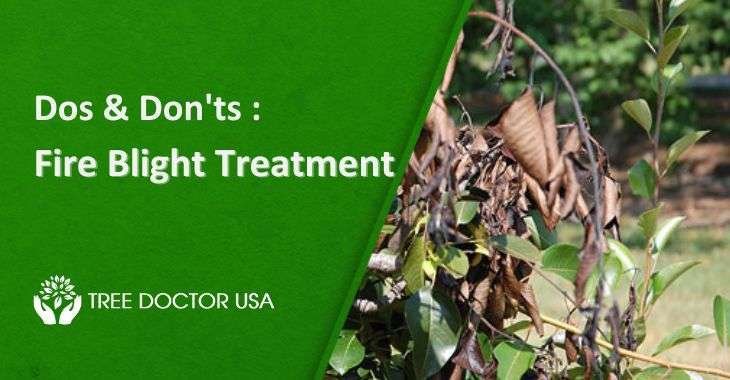
- Blackened, scorched-looking leaves
- Curved branch tips (shepherd’s crook)
- Oozing cankers on branches
Treatment and Control
- Prune infected branches well below damage
- Sterilize tools between cuts
- Avoid high-nitrogen fertilizers
- Apply bactericides during bloom
Fire blight spreads quickly, so swift action is essential.
Dutch Elm Disease: A Classic Tree Epidemic
Dutch elm disease is a lethal fungal disease spread by bark beetles and root grafts.
Key Signs
- Yellowing and wilting leaves
- Leaf drop starting at the top
- Brown streaks under the bark
Management Options
- Early fungicide injections
- Removing infected trees
- Preventing beetle infestations
Once symptoms are advanced, saving the tree is unlikely.
Cankers: When Bark Starts to Die
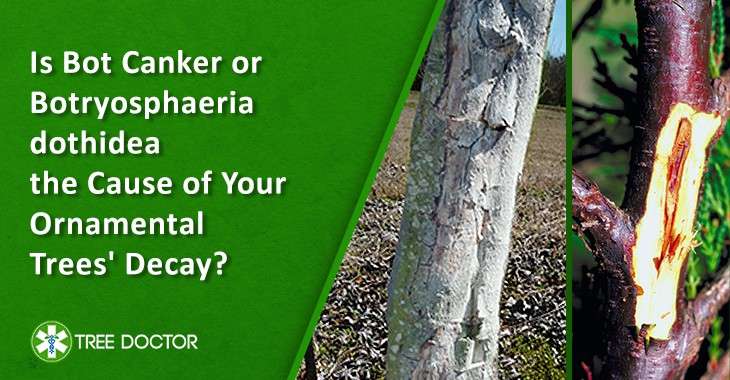
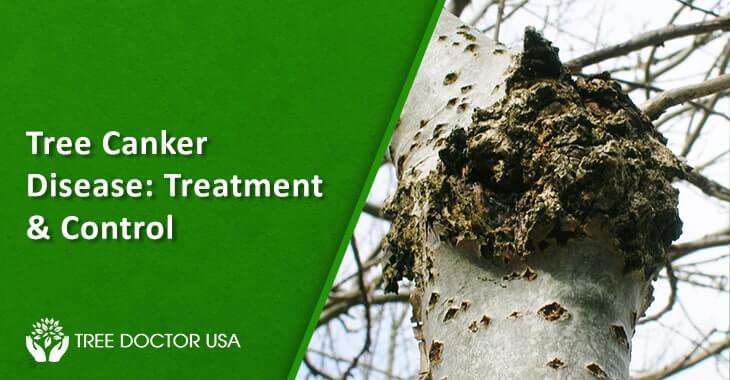
Cankers are dead areas on bark caused by fungi or bacteria, often entering through wounds.
How to Spot Cankers
- Sunken or cracked bark
- Discolored patches
- Branch dieback above the canker
Treatment Approach
- Prune infected branches
- Avoid tree injuries
- Improve tree vigor with proper care
There’s no chemical cure for most cankers—tree health is your best defense.
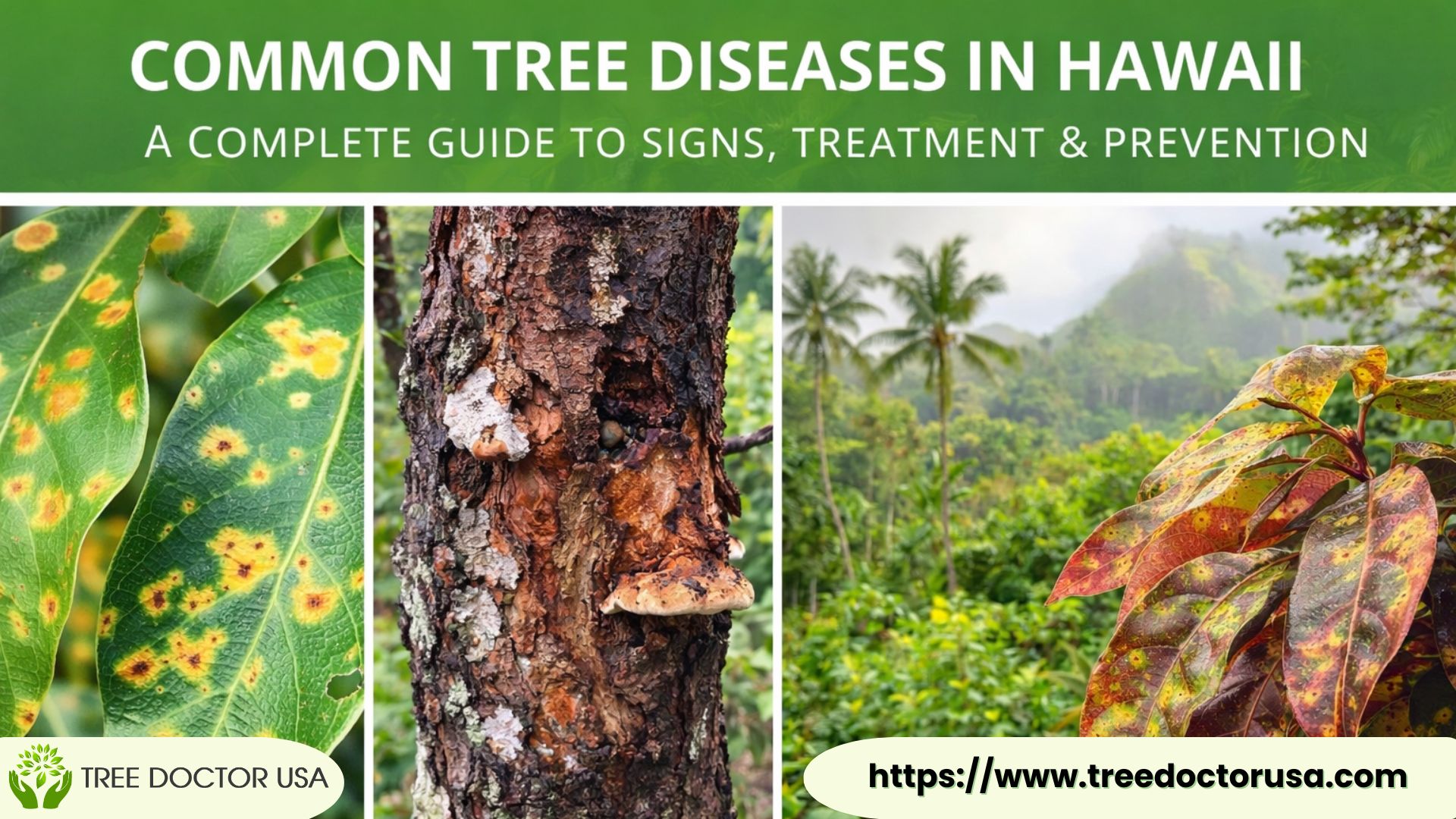
Rust Diseases: Orange and Yellow Spores
Rust diseases create bright orange, yellow, or rust-colored spots on leaves and stems.
Commonly Affected Trees
- Apple
- Cedar
- Hawthorn
Control Methods
- Remove infected leaves
- Break the disease cycle (alternate hosts)
- Apply fungicides preventively
Rust diseases are often cosmetic but can weaken trees over time.
Professional Tree Disease Treatment Methods
Arborists use a combination of science-based treatments to manage tree diseases effectively:
Pruning and Sanitation
- Removes infected tissue
- Improves airflow
- Reduces disease spread
Soil Health Improvement
- Aeration
- Organic mulch
- Balanced fertilization
Chemical Treatments
- Fungicides
- Bactericides
- Trunk injections for systemic control
Integrated Tree Care
Pros focus on long-term health, not just quick fixes. Many expert tree care services are available to support long-term tree health.
How to Prevent Tree Diseases Like an Arborist
Prevention is always easier than treatment. Here’s how pros keep trees healthy:
- Choose disease-resistant tree species
- Plant trees in the right location
- Water deeply but infrequently
- Mulch properly (not against the trunk)
- Prune correctly and at the right time
- Sterilize pruning tools
- Avoid soil compaction
A strong tree can naturally resist most diseases.
When to Call a Professional Arborist
Some tree diseases are simply too advanced or complex for DIY solutions. Call an arborist if:
- The tree shows rapid decline
- Large branches are dying
- The tree poses a safety risk
- You’re unsure of the diagnosis
Certified arborists have the tools, training, and experience to save trees—or safely remove them if necessary.
Conclusion: Treat Tree Diseases with Confidence
Learning how to identify and treat common tree diseases like a pro arborist empowers you to protect one of nature’s greatest investments. By spotting early symptoms, understanding disease causes, and applying proper treatments, you can keep your trees healthy, strong, and beautiful for decades.
Remember, healthy trees don’t happen by accident—they’re the result of consistent care, smart observation, and timely action. Treat your trees well, and they’ll reward you with shade, beauty, and life for generations to come.
Not sure what’s affecting your trees? Let experienced tree care specialists diagnose and treat the problem early.
FAQs
Common signs include discolored or spotted leaves, premature leaf drop, dead branches, fungal growth, cracks in the bark, and overall poor tree growth.
Yes, many tree diseases can spread through wind, water, insects, soil, or contaminated pruning tools if not treated early.
If your tree shows rapid decline, large dead branches, trunk damage, or persistent disease symptoms despite basic care, it’s best to consult a professional arborist.
Trees should be visually inspected at least once every season, especially during spring and early summer when most diseases appear.
A certified arborist with over 10 years of hands-on experience, I specialize in tree health care, disease diagnosis, risk assessment, and sustainable pruning practices. Through Tree Doctor USA, I help homeowners and businesses protect urban canopies with science-based care, preventive maintenance, and practical guidance that keeps trees healthy, safe, and resilient.