

-
 by Certified Arborist
 - 21 Jan 2026
- Views: 849
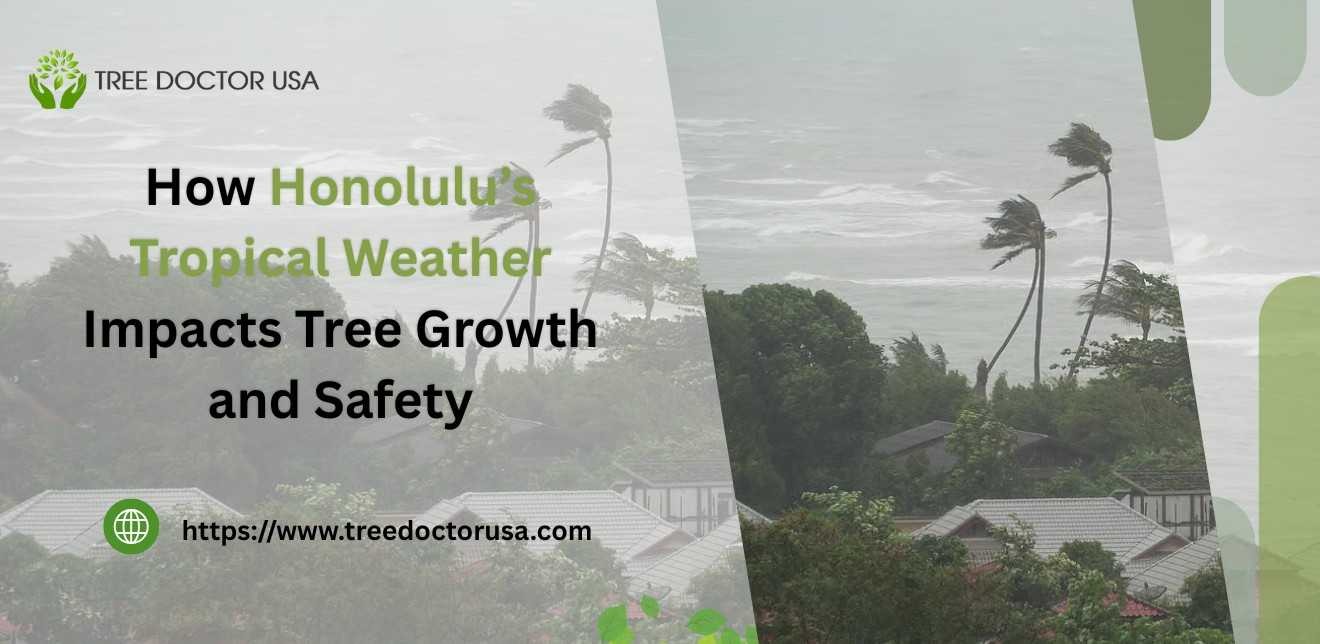
How Honolulu’s Tropical Weather Impacts Tree Growth and Safety
Honolulu’s lush landscapes are one of the first things people notice when they arrive in Hawaii. Towering palms, sprawling banyans, flowering monkeypod trees, and dense canopies of native and ornamental species all thrive here. But what many homeowners, property managers, and even visitors don’t realize is how deeply Honolulu’s tropical weather influences not just how trees grow—but also how safe they are.
From year-round warmth and high humidity to seasonal storms and salt-laden coastal air, the climate of Honolulu creates both ideal growing conditions and unique challenges. Trees grow faster, larger, and greener—but they can also become structurally vulnerable if not properly maintained.
In this in-depth guide, we’ll explore how Honolulu’s tree services climate affects tree growth, health, and safety, and what property owners can do to keep their trees both beautiful and secure.
Understanding Honolulu’s Tropical Climate
Honolulu experiences a tropical savanna climate, characterized by warm temperatures throughout the year, moderate rainfall, and steady trade winds. Unlike mainland cities that experience drastic seasonal shifts, Honolulu’s climate is relatively stable.
Key climate characteristics include:
- Average temperatures ranging from the mid-70s to mid-80s °F year-round
- High humidity, especially in coastal and low-lying areas
- Distinct wet and dry seasons, with heavier rain from November to March
- Frequent trade winds and occasional high-wind storm events
- Salt exposure due to proximity to the ocean
These factors collectively shape how trees grow, how quickly they mature, and how they respond to stress.
Why Trees Grow Faster in Honolulu
One of the most noticeable effects of Honolulu’s tropical weather is rapid tree growth. Warm temperatures and consistent sunlight allow trees to photosynthesize almost year-round.
Key Reasons for Accelerated Growth
- No dormant season: Unlike colder climates, trees in Honolulu don’t shut down during winter.
- Consistent daylight: Near-equatorial positioning provides steady sunlight.
- Warm soil temperatures: Roots remain active all year.
- Regular rainfall: Even during drier months, moisture levels remain adequate for growth.
While fast growth can be a good thing, it also means trees can outgrow their surroundings quickly, creating potential safety hazards if left unmanaged.
The Role of Rainfall in Tree Health
Rainfall in Honolulu is both a blessing and a challenge. Trees rely on water for nutrient transport and cell development, but too much or poorly managed moisture can weaken them.
Positive Effects of Rainfall
- Encourages dense foliage and vibrant leaf color
- Supports root expansion and nutrient uptake
- Helps trees recover from pruning and minor stress
Potential Problems
- Shallow root systems due to consistently moist soil
- Increased risk of fungal diseases and root rot
- Soil erosion around root zones on slopes
In areas with poor drainage, trees may develop weak anchoring, making them more susceptible to toppling during storms.
High Humidity and Its Impact on Trees
Humidity is a constant factor in Honolulu, and while tropical trees are adapted to it, excessive moisture in the air can still cause problems.
Benefits of High Humidity
- Reduces water loss through leaves
- Supports tropical species that thrive in moist air
- Encourages lush canopy development
Downsides to Watch For
- Fungal growth on leaves, bark, and roots
- Increased pest populations, including borers and scale insects
- Slower drying of wounds after pruning, raising infection risk
Regular inspections are essential to catch early signs of disease in humid environments.
Trade Winds: A Double-Edged Sword
Honolulu’s trade winds help regulate temperature and provide natural ventilation, but they also influence tree structure.
How Trade Winds Shape Trees
- Encourage leaning growth patterns
- Strengthen trunks over time through consistent movement
- Influence canopy shape, often asymmetrical
When Winds Become Dangerous
During strong wind events or storms, even healthy trees can become hazardous. Trees with uneven canopies or compromised root systems are especially vulnerable.
Proper pruning helps balance canopies and reduce wind resistance.
Tropical Storms and Tree Safety Risks
Although Honolulu is less prone to direct hurricane hits than other tropical regions, tropical storms and heavy weather systems still pose serious risks.
Common Storm-Related Tree Hazards
- Broken or hanging branches
- Uprooted trees due to saturated soil
- Split trunks caused by internal decay
- Falling limbs damaging homes, cars, or power lines
Storm preparation through proactive tree care is one of the most effective ways to reduce these risks.
Soil Conditions in Honolulu and Root Stability
Soil plays a crucial role in tree safety, and Honolulu’s soil types vary widely—from sandy coastal soils to clay-rich volcanic soils.
Common Soil Challenges
- Sandy soils drain quickly but provide less anchorage
- Clay soils retain water, increasing root rot risk
- Shallow soil layers over rock limit deep root growth
Trees growing in compromised soil conditions often develop wide, shallow roots, which can be problematic during high winds.
Common Tree Species in Honolulu and Their Growth Patterns
Different tree species respond differently to Honolulu’s climate.
Popular Trees and Their Characteristics
- Palm trees: Flexible and wind-resistant but prone to nutrient deficiencies
- Monkeypod trees: Fast-growing with wide canopies that require regular pruning
- Banyan trees: Massive root systems that can damage sidewalks and foundations
- Koa and native species: Well-adapted but still vulnerable to invasive pests
Understanding species-specific growth habits is key to maintaining safety.
How Rapid Growth Can Become a Safety Issue
Fast growth often means weaker wood structure, especially when trees grow too quickly without proper pruning.
Risks of Unmanaged Growth
- Overextended limbs that snap under weight
- Dense canopies that catch wind like sails
- Hidden decay inside fast-growing branches
Regular maintenance helps slow and guide growth in a safer direction.
The Importance of Professional Tree Pruning in Tropical Climates
Pruning in Honolulu isn’t just about appearance—it’s about safety.
Benefits of Proper Pruning
- Reduces wind resistance
- Removes dead or diseased branches
- Improves structural balance
- Encourages healthier growth patterns
Timing matters too. In tropical climates, pruning must be done carefully to avoid stress and disease.
Pest and Disease Pressure in Warm Climates
Warm temperatures allow pests to remain active year-round.
Common Issues in Honolulu
- Termites and wood-boring insects
- Scale insects and aphids
- Fungal infections caused by constant moisture
Unchecked infestations can weaken trees internally, making them more likely to fail without warning.
Tree Inspections: A Must for Honolulu Property Owners
Because many tree problems aren’t visible from the outside, routine inspections are essential.
What Inspections Look For
- Cracks in trunks or major limbs
- Signs of internal decay
- Root plate movement
- Canopy imbalance
Regular assessments help identify risks before they become emergencies.
Preventing Property Damage and Liability
Falling trees and branches are not just a landscaping issue—they’re a legal and financial risk.
Why Proactive Tree Care Matters
- Protects homes, vehicles, and infrastructure
- Reduces liability for property owners
- Ensures compliance with local safety expectations
Preventative care is far more cost-effective than emergency removal after a storm.
Sustainable Tree Care in a Tropical Environment
Honolulu’s environment calls for sustainable, informed tree management.
Best Practices
- Use species suited to local conditions
- Avoid over-pruning
- Maintain healthy soil and drainage
- Monitor trees after storms
Healthy trees are not only safer but also better for the ecosystem.
Climate Change and Its Growing Impact on Honolulu’s Trees
Climate change is already influencing weather patterns in Hawaii.
Emerging Challenges
- More intense storms
- Shifting rainfall patterns
- Increased heat stress
- New pests and diseases
These changes make professional tree care more important than ever.
Conclusion: Balancing Beauty and Safety in Honolulu’s Trees
Honolulu’s tropical weather creates an environment where trees can flourish like few other places on earth. Warm temperatures, abundant moisture, and rich soils support rapid growth and stunning landscapes. But these same factors can also introduce hidden risks.
Fast-growing trees, shallow root systems, high winds, and constant humidity all contribute to potential safety concerns if trees are not properly maintained. By understanding how Honolulu’s climate affects tree growth and structure, property owners can take proactive steps to protect their homes, communities, and the trees themselves.
With regular inspections, strategic pruning, and support from professional Honolulu tree services, it’s possible to maintain healthy, resilient trees that enhance property value while minimizing risk. In a tropical paradise like Honolulu, responsible tree care ensures that nature remains both beautiful and safe for years to come.
FAQs
Honolulu’s warm temperatures, high humidity, and regular rainfall allow trees to grow faster and year-round. While this creates lush landscapes, it can also lead to weak branch structure and shallow roots if trees are not properly maintained.
Most trees in Honolulu benefit from annual or bi-annual pruning, depending on species and location. Fast-growing trees may require more frequent maintenance to prevent overgrowth and safety hazards.
Tree care can be done year-round, but before the rainy or storm season is ideal. Proactive pruning and inspections help reduce the risk of storm damage.
Professional Honolulu tree services understand local weather patterns, soil conditions, and tree species. They have the expertise and equipment to maintain trees safely, prevent hazards, and protect your property long-term.
A certified arborist with over 10 years of hands-on experience, I specialize in tree health care, disease diagnosis, risk assessment, and sustainable pruning practices. Through Tree Doctor USA, I help homeowners and businesses protect urban canopies with science-based care, preventive maintenance, and practical guidance that keeps trees healthy, safe, and resilient.