

-
 by Certified Arborist
 - 19 Mar 2026
- Views: 808
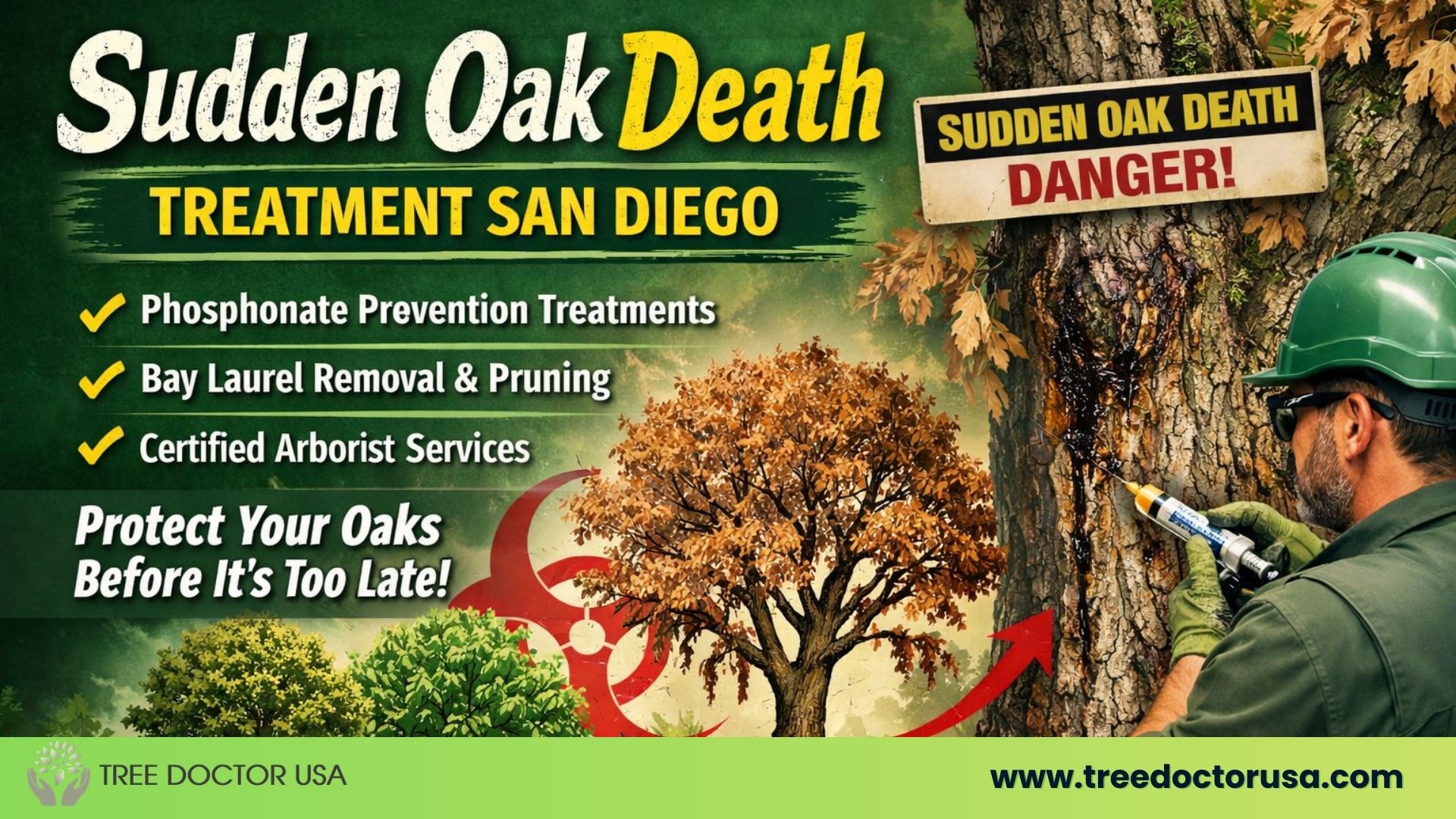
Sudden Oak Death Treatment San Diego: Expert Arborist Prevention Services
If you have oak trees on your San Diego property, Sudden Oak Death (SOD) is something you need to know about. This disease has killed over one million oaks across California since it was first found in the 1990s, and it is still spreading.
What Is Sudden Oak Death and What Causes It?
Sudden Oak Death is basically a disease that is caused by a pathogen called Phytophthora ramorum. Phytophthora ramorum is basically a water-based pathogen, not a true fungus. It does best in wet, cool conditions, which is exactly what San Diego gets during the rainy season.
This pathogen moves through water, soil, and infected plant material. San Diego’s wet winters and mild temperatures make it easy for this pathogen to spread from tree to tree.
The hardest part is that by the time most homeowners notice something is wrong, the tree is already in serious trouble. That is why prevention is so much more important than any treatment once symptoms appear.
California bay laurel trees are the most common source of spread. They carry the pathogen on their leaves but usually do not die from it. Oaks nearby catch it, and they are not as lucky.
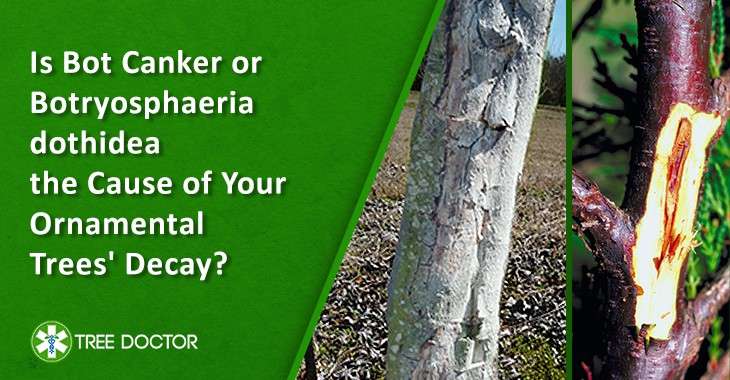
The pathogen gets into the oak bark and cuts off the flow of water and nutrients inside the tree. Bark beetles often follow, which speeds up the death of already sick trees.
You may also like: How to Preserve Oak Trees from Deadly Diseases?
Symptoms of Sudden Oak Death: What to Look For
Knowing the signs early gives you the best chance to protect nearby trees and stop the spread. Here is what to watch for:
- Dark, wet-looking patches or bleeding lesions on the trunk, usually 3 to 6 feet off the ground
- Reddish-brown or dark sap oozing from the bark
- Leaves are turning brown and dying from the top of the tree downward
- Bark that looks cracked or damaged around the infected area
- Presence of bark beetles or sawdust-like material near the base
Important: Once a trunk canker forms, the tree cannot be cured. At that point, the goal is to protect other trees on your property.
Which Oak Species Are at Risk in San Diego?
Not all oaks respond the same way. Here is a simple breakdown:
Highly at risk — prevention recommended:
- Coast Live Oak (Quercus agrifolia)
- California Black Oak (Quercus kelloggii)
- Shreve Oak (Quercus parvula var. shrevei)
- Canyon Live Oak (Quercus chrysolepis)
Not susceptible — no treatment needed:
- Valley Oak
- Garry Oak
- Blue Oak
Note: Coast live oaks smaller than 4 inches in diameter are generally not infected. Treatment becomes important once your tree reaches that size.
Which San Diego Neighborhoods Are at Higher Risk?
Properties near wildland areas or with California bay laurel trees nearby have a higher chance of exposure. Areas where SOD has already been found or reported include:
- Rancho Bernardo
- Scripps Ranch
- Poway
- Del Mar
- Encinitas
- La Jolla
- Mission Hills
If you live in or near these areas and have mature oaks, it is worth having a professional look at your trees, even if they look healthy right now.
How to Prevent Sudden Oak Death: What Actually Works
Phosphonate Treatment: The Only State-Approved Option
Right now, the only treatment approved by the State of California for Phytophthora ramorum on oaks is a phosphonate compound called Agri-Fos. This is a preventive treatment, not a cure. It works by helping the tree build its own resistance to the pathogen before infection starts.
Studies show that phosphonate treatment can protect coast live oaks from SOD for up to two years when applied correctly.
How the treatment works:
- Agri-Fos can be injected directly into the tree or mixed with a surfactant called Pentra-Bark and sprayed onto the trunk so the tree absorbs it through the bark
- It takes 3 to 6 weeks for the material to move fully through the tree
- The first treatment should be done in fall or spring when temperatures are mild
- A follow-up treatment is done 6 months later
- After that, booster treatments are done every 1 to 2 years in the fall
Also Read: Best Tips to Prevent and Treat Oak Anthracnose
Timing matters. Treatments done in winter when the pathogen is most active give the tree less time to absorb the phosphonate before it is exposed. Fall or spring application gives the best results.
Remove California Bay Laurel Trees Near Your Oaks
Bay laurel is the main source of Phytophthora ramorum spread to oaks. Removing bay trees within 5 to 10 yards of your oaks significantly lowers the risk of infection. This is one of the most effective things a homeowner can do on their own property.
Pruning and Air Circulation
Keeping your oak’s canopy open helps reduce the moist conditions the pathogen loves. If you prune trees in an area where SOD has been found, make sure to clean and disinfect your pruning tools before and after use. This stops the pathogen from moving from one tree to another on your equipment.
Keep Mud and Debris Off Your Property
The pathogen can travel on soil, mud, leaves, and wood debris. If you have been in an area where SOD is known to be present, clean your shoes and vehicle before coming back to your property. This is especially worth doing after hiking or working in nearby wildland areas during wet months.
Professional Treatment vs. Doing It Yourself
Homeowners can apply phosphonate products themselves, but professional application tends to give better results. Here is why:
- Dosage depends on the size and condition of each tree — getting this wrong can reduce how well it works
- Injection requires the right tools and technique to avoid damaging the tree
- A certified arborist can test for the presence of the pathogen in the lab, so you know whether you are dealing with actual SOD or something else
- Professionals can spot other problems like root rot, bark beetles, or structural risk that you might miss
- Infected or weakened trees are more likely to drop limbs unexpectedly — climbing or working near them without proper training is risky
Our San Diego Sudden Oak Death Services
Initial Assessment — $150 to $300
- Full inspection of your trees and property
- Species identification and risk review
- Lab testing if symptoms are present
- Written treatment plan with clear recommendations
Prevention Treatment — $400 to $800 per tree
- Professional phosphonate application using approved methods
- Scheduled follow-up treatments
- 18 to 24 months of protection per treatment cycle
- Monitoring between visits
Emergency Services
- Fast response if you find bleeding cankers or sudden die-off
- Hazard assessment for trees that may pose a falling risk
- Coordination of safe removal if a tree cannot be saved
When to Call Us
Get in touch right away if you notice:
- Dark, bleeding patches on your oak’s trunk
- Rapid browning of leaves during the growing season
- Bay laurel trees on your property are showing leaf spots
- Multiple tree deaths in your neighborhood
Annual monitoring makes sense if:
- You have bay laurel trees near your oaks
- Your property backs up to wildland or open space
- You have mature, large-diameter oaks with high landscape value
- SOD has been found in your neighborhood before
Why It’s Worth Acting Early In The Situation Of Sudden Oak Tree Death
Mature oak trees can be worth $15,000 to $50,000 each in replacement costs alone. That does not count what it takes to remove a dead tree, haul it away, and restore your yard. A professional prevention treatment at $400 to $800 per tree is a straightforward way to protect that investment.
Beyond money, old oaks take a century or more to grow. They provide shade, habitat, and character that cannot be replaced in a few years. Once they are gone, they are gone.
Schedule a Free Oak Assessment Today
Our ISA-certified arborists serve all of San Diego County — from Rancho Bernardo and La Jolla to Encinitas, Carlsbad, and beyond. Not sure if your trees are at risk? We offer free, no-obligation assessments. Contact us today to learn what your oaks need.
FAQs
Once a tree shows visible trunk cankers or heavy leaf dieback, it can die within 2 to 4 weeks. However, the infection often develops silently for months or years before you see symptoms.
If the tree already has trunk cankers, it cannot be cured. Phosphonate treatments are preventive. An infected tree with severe symptoms will likely need to be removed to keep the disease from spreading to nearby trees.
With proper application and follow-up, phosphonate controls the SOD pathogen for up to two years. Annual or biennial booster treatments help maintain that protection.
Yes. If there are infected or dying oaks within about 150 feet of yours, preventive treatment is worth doing. The pathogen spreads through water and debris, so proximity is a real risk factor.
Fall or spring, when temperatures are mild. This gives the tree the best chance to absorb the phosphonate before the wet season, when the pathogen is most active.
Not necessarily all of them, but bay laurels within 5 to 10 yards of your oaks are the most direct source of infection risk. Removing those closest to your oaks is one of the most practical steps you can take.
A certified arborist with over 10 years of hands-on experience, I specialize in tree health care, disease diagnosis, risk assessment, and sustainable pruning practices. Through Tree Doctor USA, I help homeowners and businesses protect urban canopies with science-based care, preventive maintenance, and practical guidance that keeps trees healthy, safe, and resilient.