

-
 by Certified Arborist
 - 15 May 2026
- Views: 574
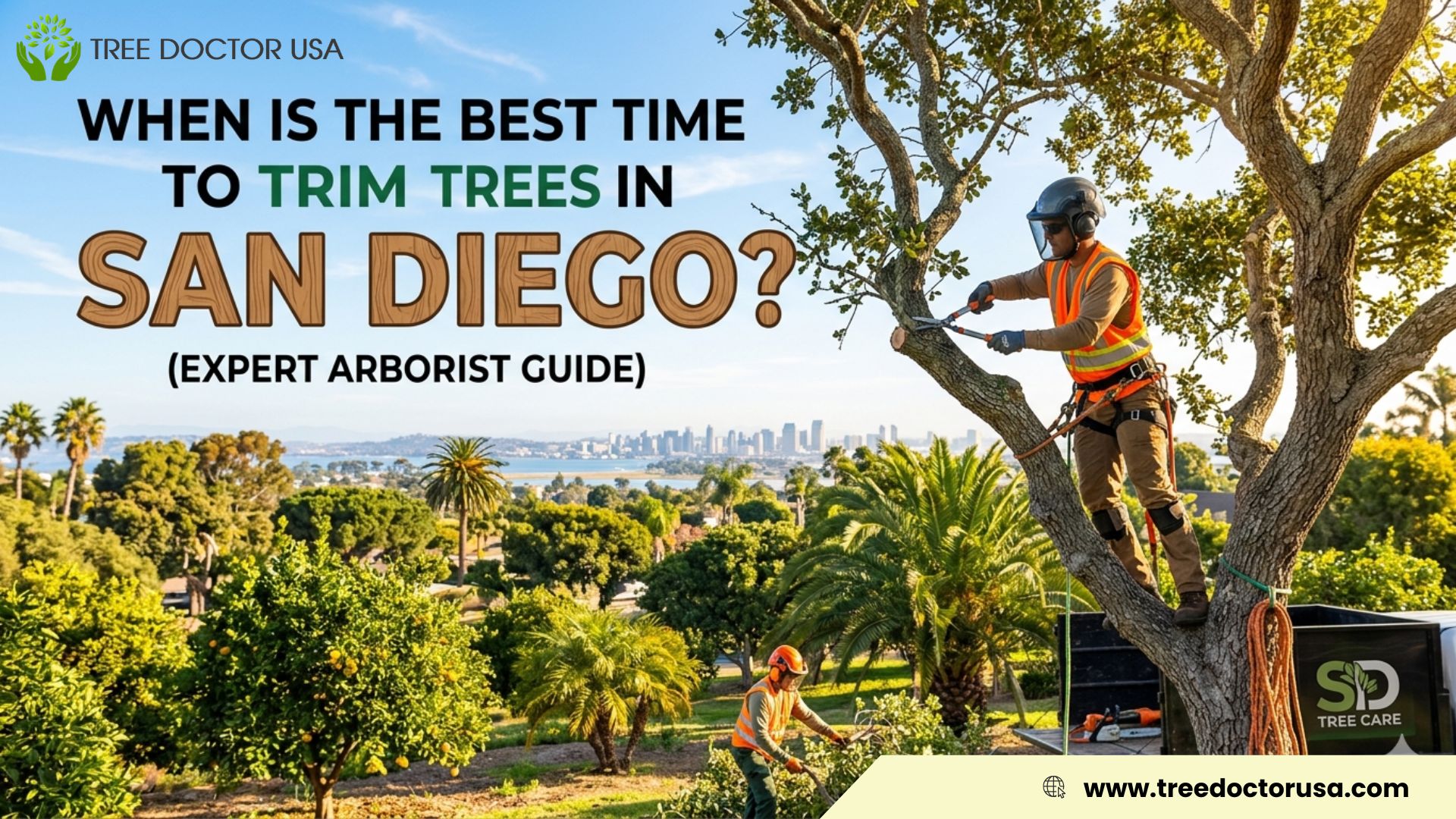
When Is the Best Time to Trim Trees in San Diego? (Expert Arborist Guide)
Key Takeaways — What This Guide Covers
- Find out the best time of year to trim trees in San Diego and why timing matters for long-term tree health.
- Learn how pruning schedules vary for oaks, palms, fruit trees, evergreens, and other common Southern California species.
- Understand which seasons are ideal for routine maintenance and when trimming should be avoided.
- Discover the signs that a tree needs immediate pruning, regardless of the time of year.
- Avoid common tree-trimming mistakes that can increase disease, pest problems, or structural damage.
- Get practical tips for protecting your property while promoting stronger, healthier tree growth.
- See how San Diego’s climate, drought conditions, and local pests influence pruning decisions.
- Know when a DIY trim is enough and when it’s safer to hire a certified arborist.
Introduction
Your neighbor just had their oak tree trimmed. It’s July. Now the tree looks sick, the bark is oozing, and beetles are gathering around the fresh cuts.
You’re watching this from your porch, wondering — did they do it at the wrong time?
The answer is almost certainly yes.
Tree trimming services is one of those things that looks simple until it goes wrong. In a city like San Diego, where our warm climate keeps trees growing nearly year-round, timing isn’t just a preference — it’s the difference between a thriving tree and a stressed, pest-vulnerable one.
We’ve been caring for trees across San Diego County for over 20 years at Tree Doctor USA. In that time, we’ve seen the same mistakes made over and over — usually because homeowners didn’t know there was a “wrong” time to trim. This guide fixes that. By the end, you’ll know exactly when to trim every major tree type in San Diego, what to watch out for each season, and when to call a professional instead of going it alone.
Let’s start with the answer most people are searching for.
The Short Answer: When Should You Trim Trees in San Diego?
For most trees in San Diego, late fall through winter — November through February — is the best time to trim.
During this window, trees are either fully dormant or growing at their slowest pace. Pest activity drops. The tree heals faster heading into spring. And your arborist can see the branch structure clearly on deciduous trees that have dropped their leaves.
But that’s the general rule. The real answer depends on your specific tree species, what you’re trying to achieve, and whether there’s an urgent safety issue involved.
Below, we break it all down — season by season, species by species.
Why Timing Matters More in San Diego Than Almost Anywhere Else
Most national tree care guides are written for four-season climates — places where winters are cold enough to put trees firmly into dormancy for months. San Diego isn’t that. Our Mediterranean climate means mild winters, very little frost, and trees that keep pushing growth well into what most of the country calls “winter.”
That’s good news for your landscape. But it also means you can’t just follow generic advice and expect good results.
Here’s what makes San Diego’s timing so specific:
Pest Pressure Is Year-Round and Serious
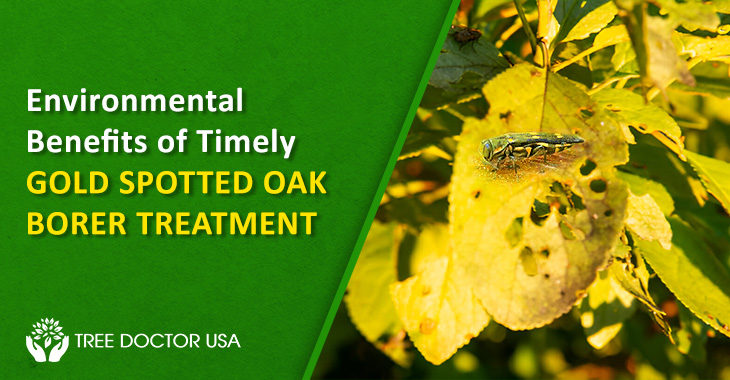
San Diego is ground zero for the Kuroshio Shot Hole Borer, which was first detected here in 2013 and has since devastated trees across the county. The Gold-Spotted Oak Borer has similarly killed thousands of coast live oaks in our region.
Both of these pests are significantly more active in warm weather. A fresh pruning cut made in July? That’s an open invitation. Beetles locate and colonize wounded wood fast. Trimming in cooler months — when these insects are least active — dramatically reduces that risk.
Our Trees Don’t Fully Shut Down
Unlike trees in cold climates, many San Diego trees never enter true dormancy. They slow down, but they keep some level of biological activity going. Understanding when that slowdown happens — and taking advantage of it — is key to trimming at the right moment.
Fire Season Changes Everything
Wildfire risk in San Diego is year-round, but it intensifies dramatically during Santa Ana wind season (typically October through December and again in spring). Trees that overhang rooftops, touch fences, or crowd structures may need trimming for fire clearance — sometimes regardless of whether it’s “ideal” from a tree health standpoint.
Bird Nesting Laws Apply Here
This one surprises a lot of homeowners. Under the Federal Migratory Bird Treaty Act and California Fish & Game Code Section 3503, it is illegal to disturb an active bird nest. In San Diego, most songbirds begin nesting from late February through July. Trim during that window without checking for nests, and you could face legal consequences — and cause real harm to local wildlife.
Our arborists conduct a nest check on every job during the nesting season. It’s not optional. It’s the law.
Season-by-Season Tree Trimming Guide for San Diego
🍂 Fall (October – Early November): Light Prep Work Only
Fall is transition time. Santa Ana winds are arriving. The rainy season is approaching. This is when you want to remove weak, crossing, or hanging branches before storm season hits — not hack away at your tree.
Heavy pruning in early fall is a mistake many homeowners make. Here’s why it backfires: significant cuts stimulate new growth. That tender new growth doesn’t have time to harden before the cooler weather sets in, leaving it vulnerable to damage. You’ve essentially sent your tree into winter unprepared.
What fall trimming is good for:
- Removing dead or dying branches before storm winds arrive
- Light cleanup of obvious hazards near rooflines or walkways
- Scheduling your winter trimming consultation with an arborist
- Deep root fertilization and soil prep before the rainy season
What to avoid: Major canopy reduction, heavy structural pruning, trimming oaks or pines
❄️ Winter (November – February): The Prime Trimming Season
This is it. For most trees in San Diego — and almost all major structural pruning — winter is your window.
Here’s what makes this season work so well:
Deciduous trees are bare. No leaves means your arborist can see exactly what they’re working with. Crossed branches, weak attachments, co-dominant leaders — all of it is clearly visible. The pruning cuts that result are more intentional and more precise.
Pests are at their lowest activity. Bark beetles, shot hole borers, and ambrosia beetles are not gone in San Diego winters, but their populations and activity levels drop meaningfully. Fresh cuts made in December are far less attractive to insects than cuts made in June.
Trees heal efficiently heading into spring. Pruning wounds made in late winter close faster because the tree’s growth surge starts right after. The tree essentially goes from “resting” to “healing” almost immediately.
Sap flow is reduced in pines. If you’ve ever seen a pine tree trimmed in summer, you know about the sap. It flows thick, sticky, and everywhere — damaging property, attracting beetles, and stressing the tree. Winter reduces sap flow dramatically, making pine trimming cleaner and safer for the tree.
Best trees to trim in winter:
- Coast live oak and valley oak
- California sycamore
- Deciduous trees: liquidambar, Chinese pistache, crape myrtle, maple
- Pine trees (Torrey, Aleppo, Monterey, Norfolk)
- Box elder
- Most shade trees
🌸 Spring (March – May): Shape Lightly, Watch the Timing
Spring is when San Diego trees come alive. New leaves push out. Flowers bloom. Growth surges. It’s a beautiful time — and for heavy pruning, the wrong one.
When a tree is putting massive energy into new growth, major pruning cuts redirect that energy toward wound healing instead. The tree gets stressed. You get less vigorous regrowth than you would have gotten from a winter trim.
That said, spring has its place in a smart trimming schedule.
What spring trimming is good for:
- Flowering trees — right after they bloom. Jacaranda, coral tree, bougainvillea — trim these immediately after flowers drop. This removes spent growth, shapes the tree, and leaves next season’s flower buds untouched.
- Light cosmetic shaping and deadwood removal
- Post-winter health assessments — your arborist checks for pest activity, disease, and any storm damage that needs addressing
What to avoid: Heavy structural pruning, major canopy reductions, trimming oaks (beetles are becoming active)
☀️ Summer (June – September): Safety Trimming Only
Hot. Dry. Peak pest season. Summer is genuinely the worst time for major tree trimming in San Diego — particularly for oaks, sycamores, pines, and avocados.
But life doesn’t pause for the ideal season. Sometimes a branch breaks. Sometimes a limb is hanging over your kid’s swing set. Sometimes a tree is visibly sick and needs immediate attention.
Summer trimming is appropriate when:
- A branch poses an immediate safety hazard (broken, hanging, dead)
- A tree shows signs of active disease or pest infestation requiring prompt intervention
- You have a Hong Kong Orchid tree — these go semi-deciduous in summer, making it their best trimming window
- Routine deadwood removal on generally healthy trees
What to strictly avoid in summer:
- Trimming coast live oaks or valley oaks (this is when gold-spotted oak borer is most active and most dangerous)
- Heavy pruning on avocados (sunscald risk on exposed bark and fruit)
- Major canopy reduction on any heat-stressed tree
- Pine trimming (excessive sap flow, beetle attractant)
If you’re not sure whether your summer trimming situation is urgent or can wait until winter, call us. We’ll tell you honestly.
Tree-by-Tree Trimming Calendar for San Diego
Every species is different. Here’s a quick reference guide for the trees most common in San Diego County:
🌳 Coast Live Oak & Valley Oak
Best time: November – January
Oaks are the most time-sensitive tree in our region from a pest standpoint. The Gold-Spotted Oak Borer and ambrosia beetles are actively seeking entry points during warm months. Fresh cuts in summer are high-risk. Always trim oaks firmly in the dormant window, and ensure your arborist sterilizes equipment between trees to prevent disease transmission.
🌿 California Sycamore
Best time: January – February
Sycamores are a primary target of the Kuroshio Shot Hole Borer. Timing your trim to late winter — just before the growth season — keeps cuts closed before beetle activity picks up in spring. If you see staining, tiny entry holes, or white powdery patches on your sycamore, call for a pest assessment before trimming.
🌴 Palm Trees
Best time: Late spring to early summer (May – June)
Palms follow different rules entirely. Trim after old fronds die off naturally — don’t remove green fronds, which the palm needs for energy. Over-trimming palms is extremely common in San Diego and genuinely damages the tree. And never trim palms during Santa Ana wind events — dead fronds are significant fire hazards and can become projectiles.
🍊 Citrus (Orange, Lemon, Lime, Grapefruit)
Best time: February – March
Trim just after any frost risk has passed but before the spring growth flush. The goal is removing crossing branches and opening the canopy to sunlight — not heavy reduction. Summer trimming on citrus exposes the thin bark to intense sun and can cause fruit to develop poorly.
🥑 Avocado
Best time: Late winter to early spring
Avocado bark sunburns easily when exposed. Never trim heavily in summer. In San Diego’s avocado-growing communities, coordinate trimming with a tree health assessment for shot hole borer, which attacks avocados aggressively.
🌸 Jacaranda
Best time: Immediately after flowering (June – July)
Jacarandas bloom in late spring. Trim right after the flowers drop — this shapes the tree and removes spent flowering wood without sacrificing next year’s blooms. Don’t trim before flowering, or you’ll cut off the buds.
🌲 Pine Trees (Torrey, Aleppo, Monterey)
Best time: November – March
Winter trimming prevents the excessive sap flow that warm-season pine trimming causes. Heavy sap in summer attracts bark beetles and can damage your property. The Torrey pine — one of the rarest trees in the world, and native to San Diego — deserves particular care; always consult a certified arborist before trimming one.
🍁 Deciduous Ornamentals (Liquidambar, Maple, Chinese Pistache, Crape Myrtle)
Best time: December – February
Full dormancy means full branch visibility and minimal stress. These trees respond particularly well to winter structural pruning because the spring growth surge that follows quickly seals pruning wounds.
Signs You Should Trim Your Trees Right Now — Regardless of Season
Some situations can’t wait for the calendar to turn. Call a certified arborist immediately if you see:
- A branch that has partially split or cracked — hanging limbs are unpredictable and dangerous
- Branches touching or overhanging your roof — direct pathway for moisture, pests, and fire
- Limbs within 18 inches of power lines — this is a SDG&E and legal compliance issue
- Visible dead wood in the canopy — deadwood spreads decay to living tissue and falls without warning
- Storm-damaged branches after Santa Ana winds or winter rain events
- Active signs of pest infestation — shot hole borer entry holes, bleeding sap, beetle galleries
Tree Doctor USA provides 24/7 emergency tree services across San Diego County. Hazardous trees don’t wait for business hours, and neither do we.
5 Tree Trimming Mistakes San Diego Homeowners Make (And How to Avoid Them)
1. Trimming Oaks in Summer
This one can genuinely kill your tree. Warm-season cuts on coast live oaks are prime targets for gold-spotted oak borer and bark beetles. The damage isn’t always immediate — it can develop over a season or two — which is why people sometimes don’t connect the cause and effect. Trim oaks in November through January, period.
2. Topping Trees
Topping — cutting the main trunk or major branches back to stubs — is never correct practice. It creates large wounds that don’t heal properly, forces a flush of weak water sprout growth, and dramatically shortens the tree’s life. If someone quotes you a “topping” job, that’s a red flag about their credentials.
3. Over-Pruning
Removing more than 20–25% of a tree’s canopy at once stresses the tree significantly. It reduces the tree’s ability to photosynthesize, weakens its structure, and can lead to sunscald on bark that was previously shaded. More is not better in tree trimming.
4. DIY Trimming on Large Trees
We genuinely want you to stay safe. Chainsaw work, ladder climbing, and anything near power lines carries serious injury risk. Beyond personal safety, incorrect cuts made by untrained hands cause long-term damage that costs far more to fix than a professional trim would have cost in the first place.
5. Ignoring the Bird Nesting Window
Between late February and July, our arborists check every tree for active nests before beginning work. It’s required by law and the right thing to do. DIY trimmers skip this step — sometimes with serious legal and ecological consequences.
What Our San Diego Arborists Do Differently
At Tree Doctor USA, tree trimming isn’t just cutting branches. Here’s how our ISA-certified arborists approach every job:
- We assess before we cut. Every trim starts with a health evaluation — checking for disease, pest pressure, structural issues, and root health.
- We time it right for your specific trees. If your property has multiple species, we may schedule certain trees for winter and others for spring or early summer.
- We use clean, sharp equipment. Unsterilized tools transmit fungal diseases between trees. This is non-negotiable on our crews.
- We follow ISA pruning standards. No topping. No flush cuts. No over-pruning.
- We clean up completely. All trimmings removed or chipped on-site.
- We tell you what comes next. After trimming, we’ll let you know if your tree needs fertilization, pest monitoring, or any follow-up care.
We serve all of San Diego County — La Jolla, Pacific Beach, Escondido, Poway, Chula Vista, El Cajon, Santee, Encinitas, Carlsbad, and everywhere in between.
Conclusion: Don’t Leave Tree Trimming to Guesswork
Your trees are a long-term investment in your property’s value, safety, and beauty. In San Diego, where our climate is unique and pest pressure is real, the timing of your tree trimming genuinely matters.
The rule most people can follow: trim most trees between November and February. Avoid oaks in summer. Wait until after flowering on ornamentals. Get palms done in late spring. And when safety is the question, don’t wait — call immediately.
But the honest best approach? Talk to a certified arborist who knows San Diego’s trees. Not all trees are the same. Not all properties are the same. A brief consultation can save you from a costly mistake — and help your trees live healthier, longer lives.
📞 Ready to Schedule Your Tree Trimming in San Diego?
Tree Doctor USA’s ISA-certified arborists serve all of San Diego County — from coastal communities like La Jolla and Coronado to inland neighborhoods like Poway, Escondido, and El Cajon, as well as Riverside and Orange County.
FAQs
For most species, January is the sweet spot. Trees are at their slowest growth phase, pest activity is at a seasonal low, and the spring healing surge is just around the corner. Deciduous trees are fully bare, giving arborists the best visibility into the branch structure.
For hazardous or dead branches, yes — do it immediately regardless of season. For routine or structural trimming, summer is the worst time for most species. The heat stresses trees, fresh cuts attract pests, and avocados and oaks face particularly high risk of beetle infestation and sunscald from summer trimming.
Late spring to early summer — typically May through June — after old brown fronds die off naturally. Never remove green fronds, and never trim palms during high-wind events when dead fronds become fire and safety hazards
Yes. Disturbing an active bird nest is illegal under both California Fish & Game Code 3503 and the Federal Migratory Bird Treaty Act. Most San Diego birds nest from late February through July. Our arborists always conduct a nest check before beginning any trimming work during this period.
may need more frequent shaping to develop strong structure. Fruit trees generally need annual pruning for optimal production. After major storm events, an inspection is always a good idea regardless of your regular trimming schedule.
Coast live oaks and valley oaks are primary targets of the gold-spotted oak borer and other bark beetles, which are highly active in warm weather. Fresh cuts create entry points. Beetles locate and colonize wounded oak wood quickly in summer. Trimming oaks between November and January keeps cuts closed before peak beetle season.
A certified arborist with over 10 years of hands-on experience, I specialize in tree health care, disease diagnosis, risk assessment, and sustainable pruning practices. Through Tree Doctor USA, I help homeowners and businesses protect urban canopies with science-based care, preventive maintenance, and practical guidance that keeps trees healthy, safe, and resilient.