

-
 by Certified Arborist
 - 20 Jul 2026
- Views: 307
Emergency Tree Removal San Diego: What to Do After a Tree Falls
Introduction
A fallen or dangerously damaged tree can become a serious safety hazard within seconds. Whether it’s caused by strong Santa Ana winds, winter storms, heavy rain, diseased roots, or a vehicle impact, knowing what to do immediately can help protect your family, property, and nearby utilities. If you’re searching for emergency tree removal in San Diego, acting quickly and making the right decisions is essential.
This guide explains what qualifies as a tree emergency, the first steps to take after a tree falls, when to call a certified arborist, estimated removal costs, insurance considerations, and how professional emergency tree services help restore safety as quickly as possible throughout San Diego County.
⚡ Quick Answer
Emergency tree removal in San Diego is required when a tree has fallen or is at immediate risk of falling and threatens people, homes, vehicles, power lines, businesses, or public roads. Stay away from the tree, call 911 if power lines are involved, document the damage with photos, notify your insurance company if applicable, and contact a certified 24/7 emergency tree removal company for immediate assistance.
Key Takeaways — What This Guide Covers
- Emergency tree removal is necessary whenever a tree creates an immediate safety risk.
- Never approach a tree that has fallen on electrical lines or utility equipment.
- Photograph all property damage before cleanup for insurance purposes.
- Emergency removal costs depend on tree size, location, accessibility, and equipment required.
- Hiring an ISA Certified Arborist helps ensure safe, professional removal while minimizing additional property damage.
- Fast emergency response can reduce risks to people, structures, and surrounding trees.
What Is Emergency Tree Removal?
Emergency tree removal is the immediate removal of a tree or large tree limbs that pose an urgent threat to people, homes, businesses, vehicles, utilities, or public infrastructure. Unlike scheduled tree removal, emergency services prioritize safety and rapid response to prevent further damage.
Common situations that require emergency tree removal include:
- A tree falls onto a house or garage.
- Large limbs break and hang dangerously over a driveway.
- A tree blocks road access.
- A tree leans severely after a storm.
- Roots fail, causing the tree to become unstable.
- A tree comes into contact with power lines.
- A cracked trunk indicates an imminent risk of collapse.
Professional emergency tree removal teams use specialized equipment, safety protocols, and experienced arborists to remove hazardous trees while minimizing damage to surrounding property.
When Do You Need Emergency Tree Removal in San Diego?
Not every damaged tree requires immediate removal, but certain conditions should never be ignored. San Diego’s coastal weather, Santa Ana winds, occasional winter storms, drought stress, and aging urban trees can all contribute to sudden tree failures.
Signs You Need Emergency Tree Removal Immediately
| Situation | Emergency? | Recommended Action |
|---|---|---|
| Tree falls on a home | ✅ Yes | Call emergency tree service immediately |
| Tree touches power lines | ✅ Yes | Stay away and call 911 and the utility company |
| Tree blocks a public road | ✅ Yes | Contact local authorities and an emergency tree removal company |
| Tree is leaning significantly after a storm | ✅ Yes | Schedule an emergency inspection |
| Large cracked trunk | ✅ Yes | Restrict access and arrange immediate removal |
| Hanging limbs over a home or driveway | ✅ Yes | Remove hazardous limbs promptly |
| Dead tree with no immediate hazard | ❌ Usually No | Schedule a routine arborist inspection |
Common Causes of Emergency Tree Removal in San Diego
Strong Santa Ana Winds
Powerful seasonal winds can uproot weakened trees or snap heavy branches, especially in drought-stressed landscapes.
Winter Storm Damage
Heavy rainfall saturates the soil, reducing root stability and increasing the risk of tree failure.
Tree Disease
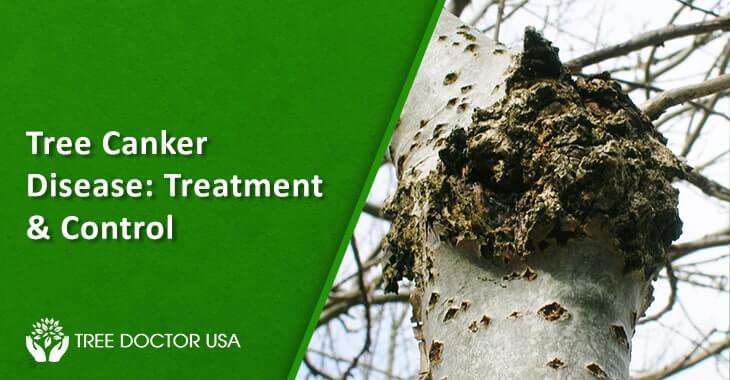
Diseases such as root rot, canker diseases, and internal decay weaken tree structure over time, often without obvious external symptoms.
Pest Infestations
Wood-boring insects and other tree pests can compromise structural integrity, making trees more susceptible to failure.
Vehicle Collisions
Impact from vehicles can crack trunks or destabilize root systems, creating an immediate hazard.
What Should You Do in the First 60 Minutes After a Tree Falls?
The actions you take immediately after a tree falls can protect lives, reduce additional property damage, and simplify the insurance claims process.
Step 1: Stay Away from the Tree
Keep everyone away from the affected area. Trees under tension can shift unexpectedly, and broken branches may continue to fall.
Step 2: Check for Injuries
If anyone is injured, call emergency services immediately. Do not attempt to move seriously injured individuals unless there is an immediate life-threatening danger.
Step 3: Watch for Power Lines
If the tree is touching power lines or electrical equipment:
- Stay well away from the area.
- Warn neighbors to keep their distance.
- Contact 911 if there is an immediate danger.
- Notify the local utility provider.
- Never attempt to remove branches from electrical lines yourself.
Step 4: Document the Damage
Before cleanup begins:
- Take clear photos of the fallen tree.
- Photograph damaged structures, vehicles, fences, or landscaping.
- Record multiple angles to support any insurance claim.
Step 5: Contact Your Insurance Company
If the tree has damaged insured property, notify your insurance provider as soon as possible. They may request photos, estimates, and documentation before repairs begin.
Step 6: Call a Professional Emergency Tree Removal Company
Professional arborists will:
- Assess the hazard.
- Secure the work area.
- Remove the tree safely.
- Protect nearby structures.
- Clean up debris.
- Recommend any additional tree care or risk mitigation.
Why Fast Action Matters
Delaying emergency tree removal can lead to:
- Additional structural damage.
- Increased safety risks.
- Higher repair costs.
- Blocked emergency access.
- Greater liability if the tree affects neighboring properties.
Emergency Tree Removal Cost in San Diego
One of the first questions homeowners ask after a tree emergency is, “How much does emergency tree removal cost in San Diego?”
The answer depends on several factors, including the tree’s size, location, the level of risk, and whether specialized equipment such as cranes is required.
Average Emergency Tree Removal Costs in San Diego (2026)
| Tree Size | Estimated Cost* | Typical Time Required |
|---|---|---|
| Small Tree (up to 25 ft.) | $350–$800 | 1–3 Hours |
| Medium Tree (25–50 ft.) | $800–$1,800 | 2–5 Hours |
| Large Tree (50–80 ft.) | $1,800–$3,500 | 4–8 Hours |
| Extra Large Tree (80+ ft.) | $3,500–$6,500+ | Full Day or More |
| Crane-Assisted Emergency Removal | Additional Cost | Depends on Complexity |
Note: These are estimated price ranges. The final cost depends on the tree species, emergency conditions, accessibility, equipment needed, debris removal, and whether stump grinding is included.
Factors That Affect Emergency Tree Removal Costs
- Tree height and trunk diameter
- Tree species and weight
- Whether the tree has fallen on a structure
- Accessibility to the work area
- Crane or bucket truck requirements
- Utility line hazards
- Time of service (day, night, weekends, or holidays)
- Cleanup and debris hauling
Know More>> How Much Does Tree Removal Cost in California in 2026?
Does Homeowners Insurance Cover Emergency Tree Removal?
In many cases, yes—but coverage depends on why the tree fell and what it damaged.
Insurance May Cover Emergency Tree Removal If:
- The tree falls on your home.
- The tree damages an attached garage.
- A storm causes the tree to fall.
- The tree blocks access to your home after a covered event.
Insurance May Not Cover Removal If:
- The tree falls in your yard without damaging insured property.
- The tree was dead or neglected before it fell.
- Removal is considered routine maintenance.
Tips for Filing an Insurance Claim
✔ Take photos before cleanup.
✔ Save all invoices and receipts.
✔ Request a written estimate from your tree service provider.
✔ Contact your insurance company as soon as possible.
✔ Do not attempt major cleanup until instructed by your insurer, unless immediate action is required to prevent further damage.
Why You Should Never Remove a Fallen Tree Yourself
Although removing a fallen tree may seem straightforward, it can be extremely dangerous without the proper training and equipment.
Common Risks Include
Electrical Hazards
Trees touching power lines can carry deadly electrical current.
Unstable Tree Movement
Broken trunks and branches may shift unexpectedly during cutting.
Chainsaw Injuries
Emergency removals often involve awkward cutting angles, increasing the risk of kickback and serious injuries.
Property Damage
Improper cutting techniques can cause the tree to fall unpredictably, damaging roofs, vehicles, fences, or neighboring properties.
Personal Liability
If someone is injured during a DIY removal or nearby property is damaged, you could be held financially responsible.
Why Hire a Certified Arborist for Emergency Tree Removal?
Hiring an ISA Certified Arborist provides peace of mind during a stressful situation.
Professional emergency tree removal companies offer:
- 24/7 emergency response
- Comprehensive hazard assessments
- Safe removal techniques
- Specialized equipment
- Crane-assisted removals
- Proper pruning when removal isn’t necessary
- Complete debris cleanup
- Recommendations for protecting nearby trees
Certified arborists can also determine whether a damaged tree can be saved or if complete removal is the safest option.
Not every storm-damaged or leaning tree needs to be removed. In some cases, a professional tree health assessment can determine whether the tree can be safely preserved through corrective pruning, cabling, bracing, or disease treatment. A certified arborist will evaluate the tree’s structural stability, root health, and overall condition before recommending removal, helping homeowners make informed decisions while protecting valuable trees whenever possible.
Emergency Tree Removal Process
Understanding the process helps homeowners know what to expect during an emergency.
| Step | What Happens |
|---|---|
| 1 | Emergency phone call received |
| 2 | Immediate dispatch of the crew |
| 3 | On-site safety inspection |
| 4 | Hazard and risk assessment |
| 5 | Secure the work area |
| 6 | Remove hazardous limbs or the entire tree |
| 7 | Clean up debris |
| 8 | Final safety inspection and recommendations |
Why San Diego Homeowners Choose Tree Doctor USA
When a tree emergency occurs, experience and response time matter.
Tree Doctor USA is committed to helping homeowners and businesses throughout San Diego with prompt, professional emergency tree services.
Why Choose Us?
- ISA Certified Arborists
- Licensed and Insured Professionals
- 24/7 Emergency Response
- Advanced Equipment for Complex Removals
- Crane-Assisted Tree Removal Available
- Residential and Commercial Services
- Thorough Site Cleanup
- Customer-Focused Service
Whether a tree has fallen after a storm, is threatening your property, or has become structurally unsafe, our experienced team is ready to respond.
Proudly Serving San Diego County (GEO)
We provide tree removal services throughout the following:
- San Diego
- Chula Vista
- La Jolla
- El Cajon
- La Mesa
- Poway
- Rancho Bernardo
- Santee
- National City
- Lemon Grove
- Oceanside
- Carlsbad
- Encinitas
- Escondido
- Del Mar
- Solana Beach
- Coronado
If you’re located anywhere in San Diego County, our emergency response team is available to help.
Conclusion
Tree emergencies can happen without warning, especially during storms, high winds, or when weakened trees fail unexpectedly. Knowing how to respond quickly can help protect your family, reduce property damage, and simplify the recovery process. If you’re facing a hazardous tree situation, don’t take unnecessary risks—contact experienced professionals who can assess the danger and perform the work safely.
Call to Action
Need Emergency Tree Removal in San Diego?
Don’t wait when a fallen or hazardous tree threatens your home or business. Tree Doctor USA provides fast, reliable emergency tree removal San Diego services with experienced arborists, advanced equipment, and a commitment to safety. Contact our team today for immediate assistance and expert tree care you can trust.
FAQs
Emergency tree removal is required when a tree or large branch poses an immediate threat to people, property, vehicles, power lines, or public access.
Response times vary depending on weather and demand, but many professional companies offer 24/7 emergency dispatch for urgent situations.
Yes. Stay away from the area and call 911 if there is an immediate danger. Also notify your utility provider.
Sometimes. A certified arborist can inspect the tree and determine whether pruning, cabling, or other treatments are possible instead of removal.
Insurance often covers removal when a tree damages insured property due to a covered event, but coverage varies by policy.
DIY removal is not recommended. Fallen trees can be unstable and may involve electrical hazards or structural risks.
Professionals may use chainsaws, cranes, bucket trucks, rigging systems, wood chippers, and safety equipment depending on the situation.
A tree that suddenly begins leaning, has exposed roots, or shows large trunk cracks should be inspected immediately by a certified arborist.
Yes. Many professional tree service companies provide 24/7 emergency response for hazardous situations.
Keep everyone away from the hazard, avoid moving the tree, document the damage, and follow instructions from emergency responders or utility companies if applicable.
A certified arborist with over 10 years of hands-on experience, I specialize in tree health care, disease diagnosis, risk assessment, and sustainable pruning practices. Through Tree Doctor USA, I help homeowners and businesses protect urban canopies with science-based care, preventive maintenance, and practical guidance that keeps trees healthy, safe, and resilient.