

-
by seo-treedoctor-dev
- 15 Sep 2026
- Views: 55
Professional tree trimming in San Diego helps maintain tree health, structure, safety, and appearance. In 2026, typical costs range from $150–$400 for small trees and $400–$900 for medium trees, while larger or hazardous trees cost more. September through November can be an effective maintenance period for many Southern California trees.
-
 by Certified Arborist
 - 11 Jun 2026
- Views: 506
Removing a tree safely in California requires more than a chainsaw — it requires a licensed, ISA-certified arborist who understands local regulations, hazard assessment, and precision removal techniques. This guide from Tree Doctor USA covers the full removal process, California permit requirements, what it costs, and when to call for emergency service.
-
by Certified Arborist
- 15 May 2026
- Views: 557
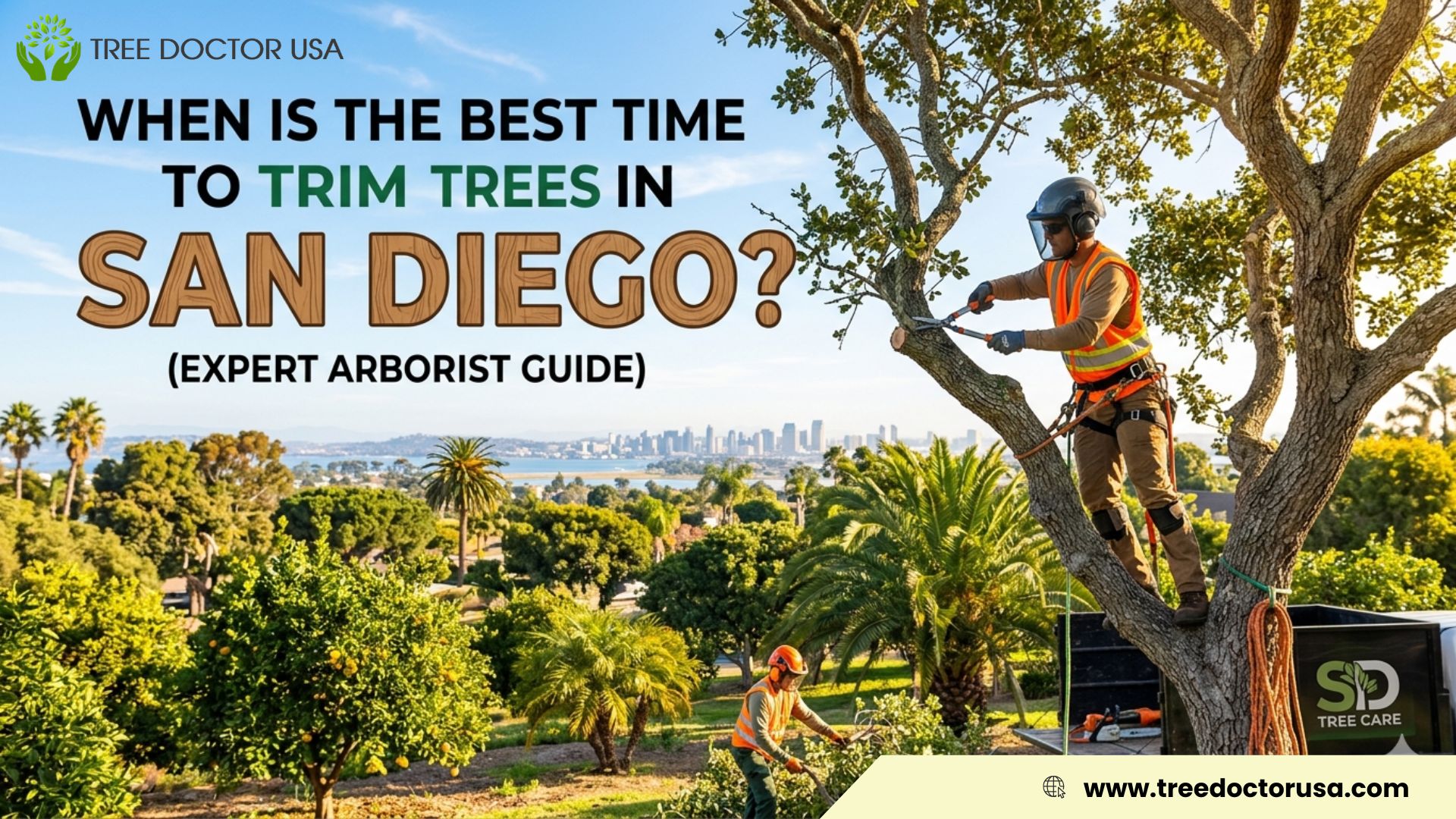
This blog explains the best time to trim trees in San Diego based on tree species, seasonal weather, pest activity, and local climate conditions. It covers expert arborist tips for trimming oaks, palms, citrus, pines, and more while helping homeowners avoid common pruning mistakes and protect long-term tree health.
-
by Certified Arborist
- 1 Apr 2026
- Views: 586
A 24-hour emergency tree service provides immediate help when trees become dangerous—like falling, leaning, or blocking access. It includes fast response, safety assessment, controlled removal or trimming, and full cleanup. Homeowners should stay safe, avoid DIY fixes, and call professionals right away. Costs vary based on urgency and complexity, and insurance may cover damage caused by storms. Regular inspections and maintenance can help prevent emergencies.
-
by Certified Arborist
- 30 Mar 2026
- Views: 978
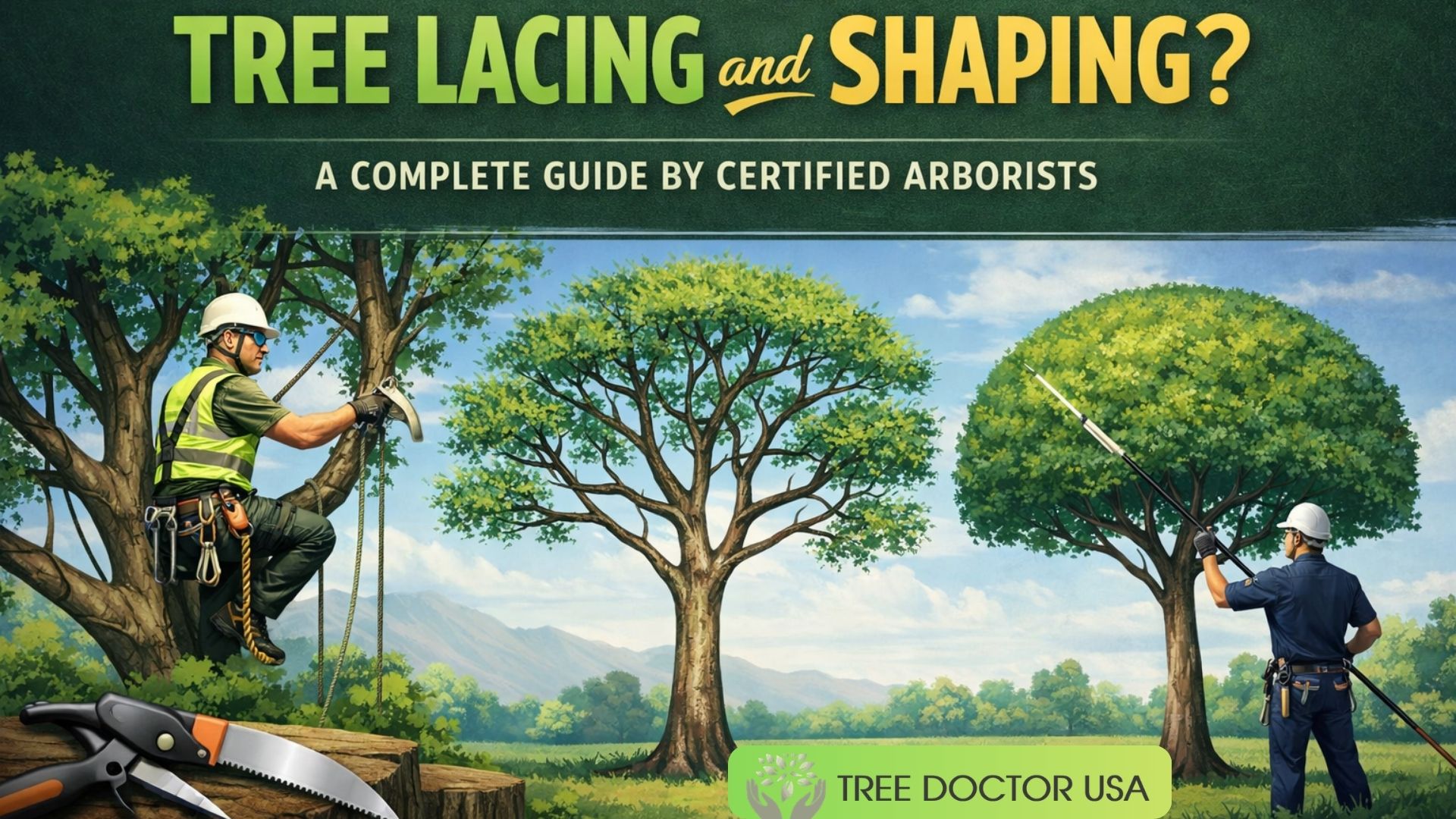
Tree lacing and shaping are professional tree care techniques used to improve tree health, safety, and appearance. Tree lacing involves selectively removing 20–30% of inner canopy branches to increase airflow, sunlight penetration, and reduce wind resistance. Tree shaping focuses on guiding a tree’s structure for better balance, clearance, and aesthetic appeal through methods like crown thinning, reduction, and lifting.
These services are especially important for properties in Southern California, where dense growth and strong winds can make trees hazardous. When performed by certified arborists, lacing and shaping help prevent disease, reduce risk of branch failure, and enhance property value. Regular maintenance every 1–3 years ensures trees remain healthy, safe, and visually appealing.

-
by Certified Arborist
- 24 Mar 2026
- Views: 1124
Did you know a dead tree in your yard can void your homeowners insurance? Our updated 2026 guide covers tree removal costs in San Diego ($200–$2,500+), what insurance actually pays for, and 5 ways to save money before hiring a tree service.