

-
 by Certified Arborist
 - 6 Jan 2026
- Views: 720
The Ultimate Guide to Tree Pruning: Everything You Need to Know
Introduction:
Tree pruning is an essential part of tree care that can improve the health, appearance, and safety of your trees. Whether you’re a homeowner looking to maintain your garden, or a business trying to enhance the curb appeal of your property, proper tree pruning is a task you shouldn’t overlook. In this comprehensive guide, we’ll cover everything you need to know about tree pruning, including when to prune, why it’s important, and the best techniques for different types of trees.
What is Tree Pruning?
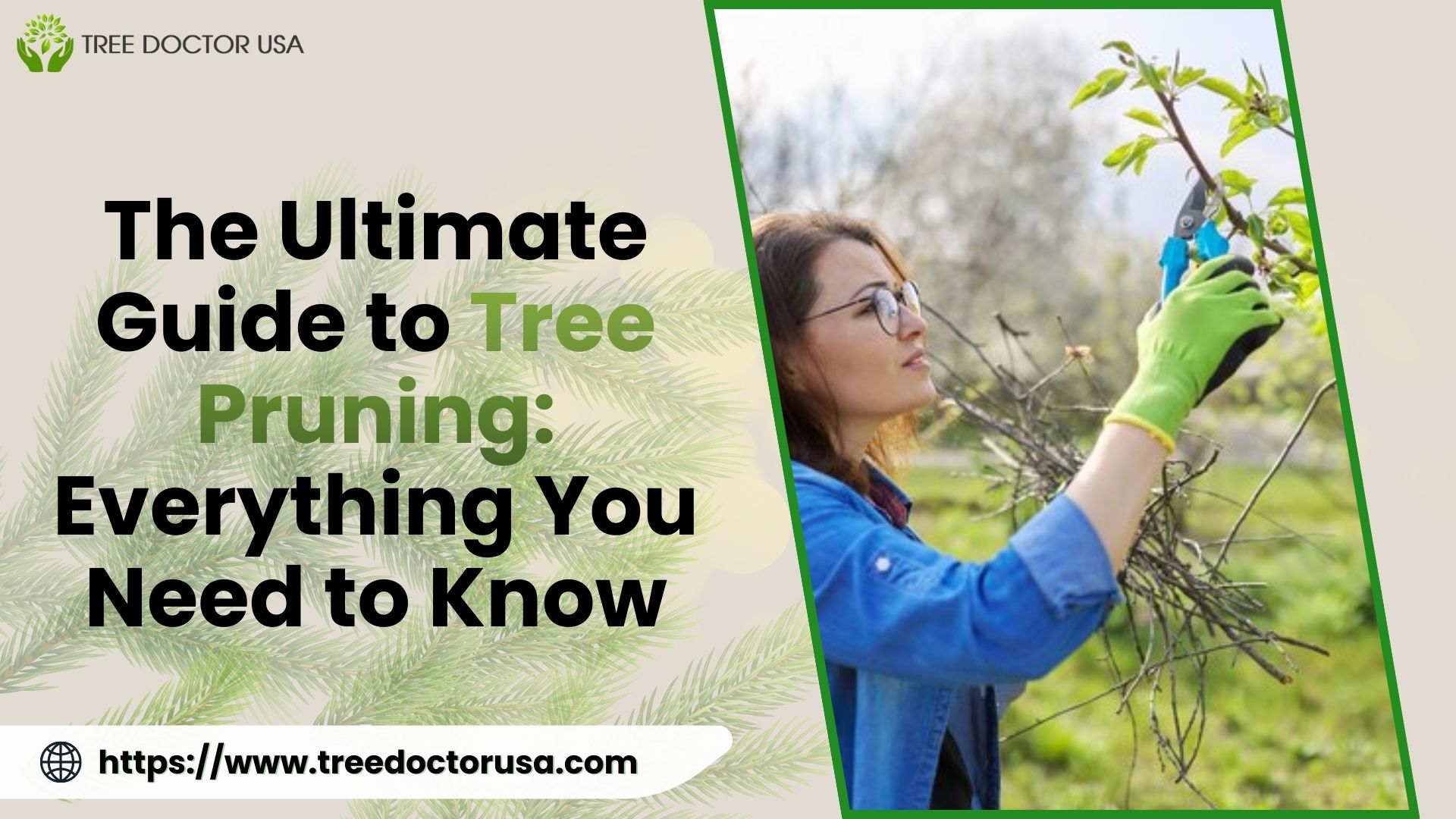
Tree pruning services is the practice of selectively removing specific parts of a tree, such as branches, buds, or roots, to improve its health, shape, and structure. This can include cutting away dead or diseased wood, thinning branches to allow for better airflow, or removing branches that interfere with structures like power lines or roofs.
Pruning is not just about trimming the tree. It’s about making strategic cuts to promote healthy growth, prevent diseases, and improve the tree’s overall form.
Why Is Tree Pruning Important?
1. Health Benefits
- Disease Prevention: Pruning removes diseased, dead, or infected branches, helping prevent the spread of illness to other parts of the tree.
- Improved Airflow: Thinning the canopy allows better airflow, reducing the risk of fungal growth and other diseases.
- Encouraging Growth: Pruning stimulates new growth, helping the tree become stronger and more resilient.
2. Safety
- Preventing Falling Limbs: Dead or weakened branches are more likely to fall, especially during storms or strong winds. Pruning helps reduce this risk.
- Clearing Pathways: Pruning keeps branches away from power lines, roofs, or walkways, preventing accidents and property damage.
3. Aesthetic and Structural Benefits
- Better Shape: Pruning helps maintain a tree’s shape, making it look fuller and more aesthetically pleasing.
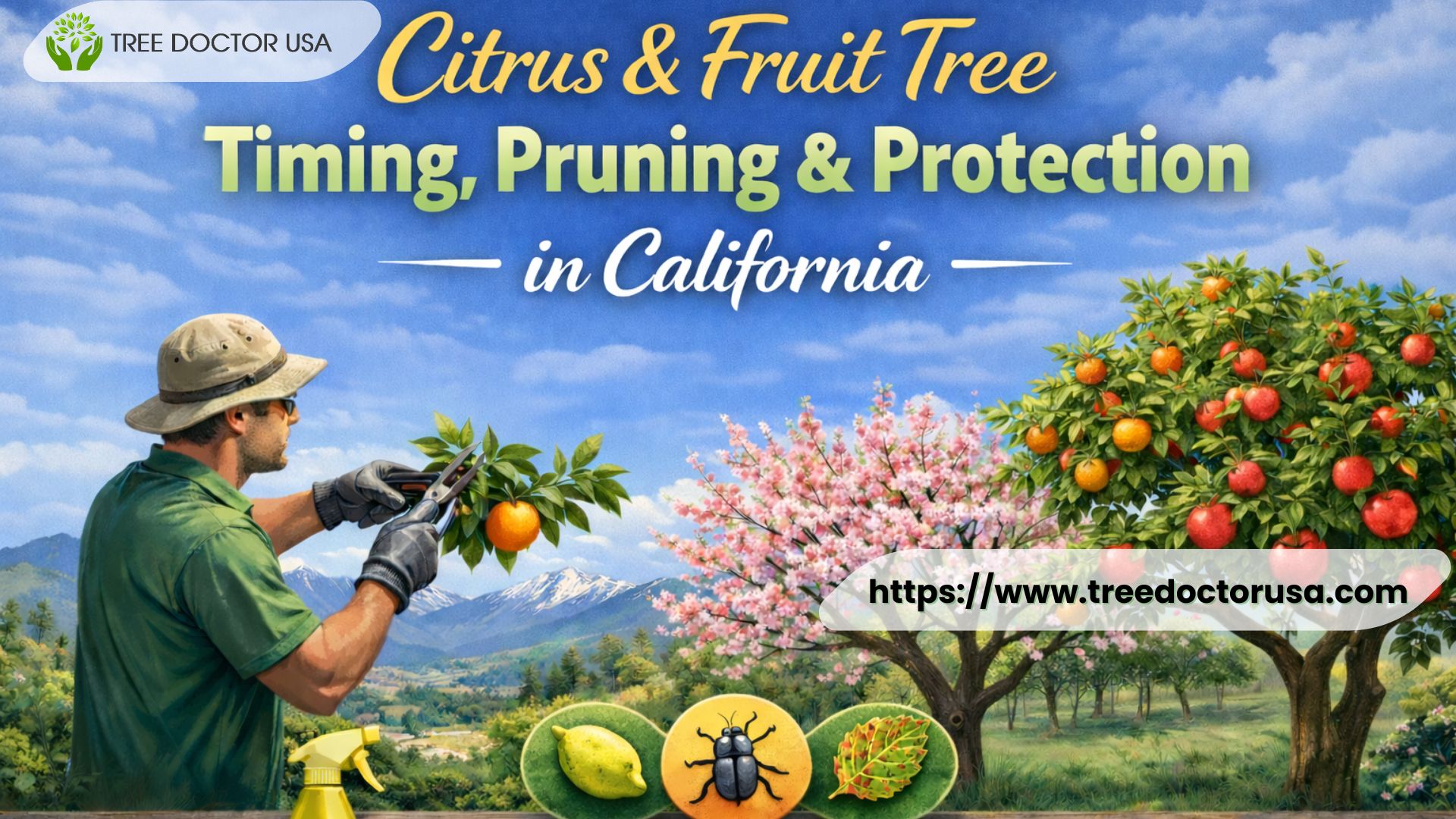
- Enhanced Fruit Production: For fruit trees, proper pruning encourages better yields and quality fruit by promoting sunlight penetration and airflow.
When is the Best Time to Prune Trees?
The best time to prune a tree largely depends on the species and your goals, but here’s a general breakdown:
1. Winter (Dormant Season)
- Best For: Most deciduous trees (trees that lose leaves in fall).
- Why: During winter, trees are in their dormant phase, so pruning minimizes stress and helps the tree recover quickly in the spring. It also makes it easier to see the tree’s structure without leaves blocking your view.
- Exceptions: Don’t prune early-spring flowering trees (like magnolias Scale Treatment or cherries) during this time, as you may cut off flower buds.
2. Early Spring (Before New Growth Starts)
- Best For: Some fruit trees and flowering trees.
- Why: Pruning in early spring encourages fresh growth as the tree prepares for the growing season. It’s also a good time for shaping trees and removing deadwood.
3. Summer
- Best For: Tree maintenance (not major pruning).
- Why: Summer is typically used for lighter pruning, like removing dead or diseased branches or cutting back new growth that is getting too large.
- Exceptions: Avoid heavy pruning during the summer heat, as it can stress the tree.
4. Fall
- Best For: Avoid heavy pruning in the fall.
- Why: Pruning too late in the season can stress the tree and reduce its ability to prepare for winter. However, removing dead branches can still be done.
Tree Pruning Techniques: How to Prune Trees Properly
1. The 3-Cut Method
This technique is often used for cutting larger branches, ensuring that the tree doesn’t suffer from tearing or bark damage:
- First Cut: Make a notch on the underside of the branch (about 6 inches from the trunk) about one-third of the way through.
- Second Cut: Make a second cut on the top of the branch, slightly further from the tree, above the first cut. This will remove the branch.
- Third Cut: Remove the remaining stub by cutting just outside the branch collar (the raised area where the branch connects to the trunk).
2. Cutting at the Right Angle
- Always make cuts at a slight angle to prevent water from pooling on the cut, which can lead to rot or disease.
- Ensure you’re not cutting too close to the trunk (which can cause damage) or too far out on the branch (leaving a stub).
3. Thinning vs. Heading
- Thinning: Remove branches entirely to improve airflow and reduce overcrowding. This is often done for older trees to improve structure.
- Heading: Cutting back a portion of a branch to encourage new growth, usually done for younger trees to shape them.
Tree Pruning Cost: What to Expect
Understanding tree pruning cost helps homeowners and property managers plan their tree care budget more effectively. Tree pruning prices vary depending on several factors.
Average Tree Pruning Cost
- Small trees: $150 – $300
- Medium trees: $300 – $700
- Large trees: $700 – $1,500+
*Actual costs may vary based on tree condition, location, and safety requirements.
Factors That Affect Tree Pruning Cost
- Tree Size & Height: Larger trees require more labor and equipment
- Tree Health: Diseased or damaged trees may increase pruning costs
- Location & Accessibility: Trees near buildings or power lines cost more to prune
- Emergency Pruning: Same-day or storm-related services are typically higher
- Multiple Trees: Pruning several trees at once can reduce the cost per tree
Hiring a professional tree pruning service can prevent improper cuts that lead to expensive damage or future tree removal—saving money long term.
How to Prune Different Types of Trees
1. Fruit Trees
- When to Prune: Fruit trees should be pruned in late winter or early spring, before they begin producing new growth.
- What to Cut: Focus on removing dead wood, crossing branches, and thin out the center to allow sunlight in. Make sure to prune lightly to avoid reducing fruit production.
2. Palm Trees
- When to Prune: Palms should be pruned in late winter or early spring.
- What to Cut: Remove only dead fronds, avoiding cutting green fronds unless they are completely dead or diseased.
3. Oaks and Other Deciduous Trees
- When to Prune: Best pruned during the dormant season (winter).
- What to Cut: Focus on removing dead or damaged branches and thinning the canopy to improve structure.
4. Evergreen Trees (Pine, Fir, etc.)
- When to Prune: Prune in late winter or early spring for minimal stress.
- What to Cut: Remove dead or damaged branches and trim back the new growth if necessary.
DIY Tree Pruning vs. Hiring a Professional
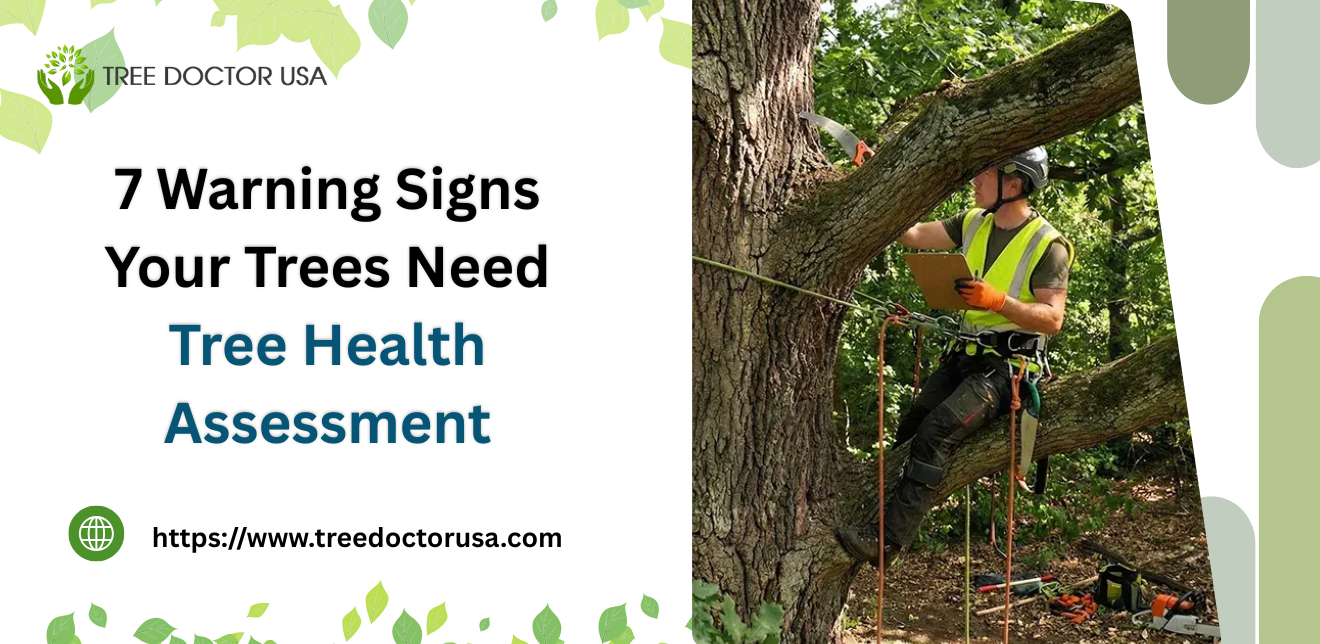
Pruning trees might seem like a simple task, but it requires skill and the right tools to avoid harming your trees. Here’s when to consider hiring a professional:
- When Trees Are Too Tall or Dangerous: If your tree is large or near power lines, it’s safer to call a professional.
- If You’re Uncertain: If you’re unsure about where to prune or which branches to remove, hiring a professional ensures that your tree will stay healthy.
- For Specialized Needs: Some trees may require specialized pruning (like fruit trees) that professionals are more equipped to handle.
A professional tree pruning service can also help with tree shaping, disease prevention, and hazard removal.
Common Tree Pruning Mistakes to Avoid
- Over-Pruning: Removing too many branches can harm the tree, making it weaker and more prone to disease.
- Cutting Too Close to the Trunk: Always leave a small collar to ensure the tree can heal properly.
- Pruning at the Wrong Time: Pruning at the wrong time of year can stress the tree, especially for flowering varieties.
- Not Using Proper Tools: Using dull or incorrect tools can damage the tree. Always ensure you’re using sharp, clean tools for cuts.
Conclusion
Tree pruning is an essential practice for maintaining the health and safety of your trees. By understanding the best times to prune, the right techniques, and the specific needs of your trees, you can ensure that they thrive for years to come. Whether you choose to handle pruning yourself or hire a professional, following the right steps is key to achieving great results.
Need Help Pruning Your Trees?
If you’re in California and need expert tree pruning services, don’t hesitate to contact Tree Doctor USA. Our professional team is here to help with all your tree care needs. Get in touch with us today for a free consultation!
“Is it time to prune your trees? Let the experts at Tree Doctor USA handle it for you! Call us today to schedule your tree pruning service in California. Our team ensures your trees stay healthy, beautiful, and safe.”
FAQs
Tree pruning is the selective removal of branches to improve a tree’s health, safety, structure, and appearance.
Pruning prevents disease, removes hazardous limbs, improves growth, and enhances the overall look of your trees.
Most trees should be pruned in winter or early spring during dormancy to reduce stress and promote healthy growth.
Tree pruning cost typically ranges from $150 to $1,500, depending on tree size, condition, and location.
Tree size, height, health, accessibility, proximity to structures, and emergency service needs all impact pricing.
A certified arborist with over 10 years of hands-on experience, I specialize in tree health care, disease diagnosis, risk assessment, and sustainable pruning practices. Through Tree Doctor USA, I help homeowners and businesses protect urban canopies with science-based care, preventive maintenance, and practical guidance that keeps trees healthy, safe, and resilient.