

-
 by Certified Arborist
 - 19 Jan 2026
- Views: 389
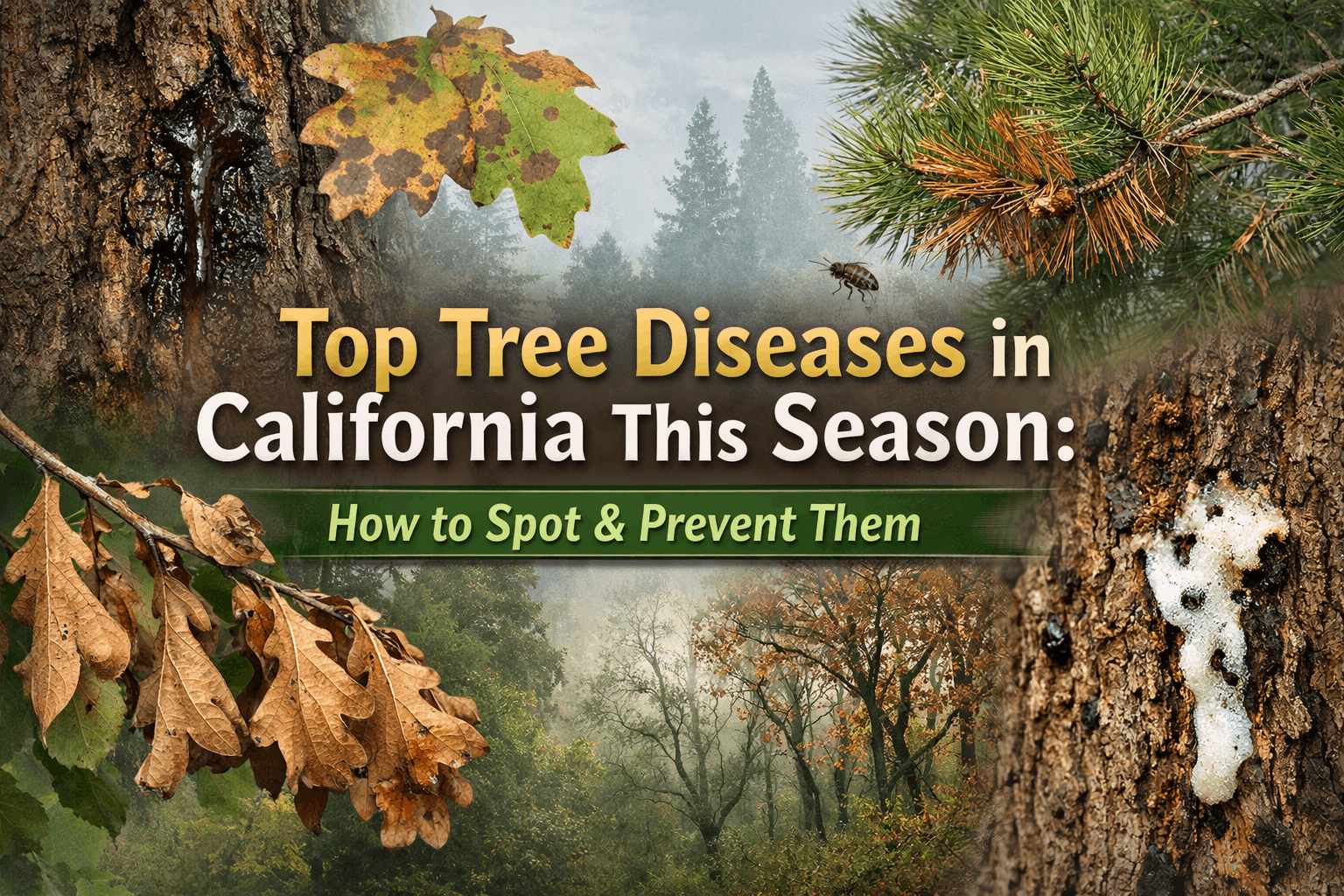
Top Tree Diseases in California This Season: How to Spot & Prevent Them
California’s winter and early spring bring much-needed rain—but they also create the perfect conditions for tree diseases. Prolonged moisture, cool temperatures, and saturated soil allow fungi and water-mold pathogens to spread rapidly, putting both residential and commercial landscape trees at risk.
Understanding which tree diseases are most active this season and knowing the early warning signs can help homeowners take action before permanent damage occurs.
Why Winter Rains Increase Tree Disease Risk in California
During winter and early spring, California experiences:
- Frequent rainfall
- Cooler temperatures
- Poor soil drainage in many landscapes
These conditions allow fungal spores and soil-borne pathogens to thrive. Moisture spreads disease through splashing rain, runoff, and saturated roots, while trees are less able to defend themselves during dormancy or stress.
This is why many serious tree problems begin below ground—long before symptoms appear in the canopy.
Top Tree Diseases to Watch This Season
1. Sudden Oak Death (SOD)
High-risk trees: Coast live oak, tanoak, California black oak
Sudden Oak Death is caused by Phytophthora ramorum, a destructive pathogen that creates trunk cankers and interrupts water flow inside the tree.
Common signs:
- Dark bleeding cankers on the trunk
- Wilting or browning leaves
- Rapid canopy decline
Why it’s dangerous:
Once advanced, SOD often leads to complete tree failure and can spread to nearby oaks during wet seasons.
2. Phytophthora Root Rot
High-risk trees: Oaks, maples, citrus, ornamentals
This soil-borne disease attacks roots in poorly drained or overwatered soil.
Common signs:
- Yellowing or thinning leaves
- Wilting despite adequate watering
- Slow growth or sudden decline
Seasonal risk:
Winter rains allow Phytophthora to move easily through soil and infect healthy roots.
3. Anthracnose & Leaf Blight Diseases
High-risk trees: Sycamore, ash, oak, maple
Anthracnose fungi thrive in cool, wet weather, making them very common in late winter and spring.
Common signs:
- Brown or black leaf spots
- Curled or distorted leaves
- Early leaf drop
While often not fatal, repeated infections weaken trees and make them vulnerable to pests and secondary diseases.
4. Emerging Threats: Pine Ghost Canker & Foamy Bark Canker
Pine Ghost Canker
- Affects certain pine species
- Causes branch dieback and pale, “ghost-like” foliage
- Can spread through wounds and insect activity
Foamy Bark Canker (Oak Trees)
- Spread by bark beetles
- Produces wet, foamy sap oozing from the trunk
- Leads to branch dieback and structural weakness
These newer diseases are becoming more common as climate stress and pest pressure increase across California.
Symptoms Homeowners Should Look For
Early detection is critical. Contact a professional if you notice:
- Cankers or sunken areas on the trunk
- Oozing sap or dark staining on bark
- Leaf spots, blotches, or unusual discoloration
- Premature leaf drop
- Wilting or dieback despite proper watering
- Sudden decline in overall tree healthcare services
The earlier a disease is diagnosed, the higher the chance of saving the tree.
Proactive Tree Care & Prevention Tips
Preventive care is the most effective way to protect trees during wet seasons.
✔ Improve Drainage
- Avoid standing water around tree bases
- Correct grading issues
- Reduce over-irrigation during rainy months
✔ Proper Pruning
- Remove dead or infected branches
- Avoid tree pruning during wet weather
- Disinfect tools between trees
✔ Sanitation
- Remove fallen leaves and debris
- Dispose of infected material properly
- Avoid moving contaminated soil
✔ Professional Diagnosis
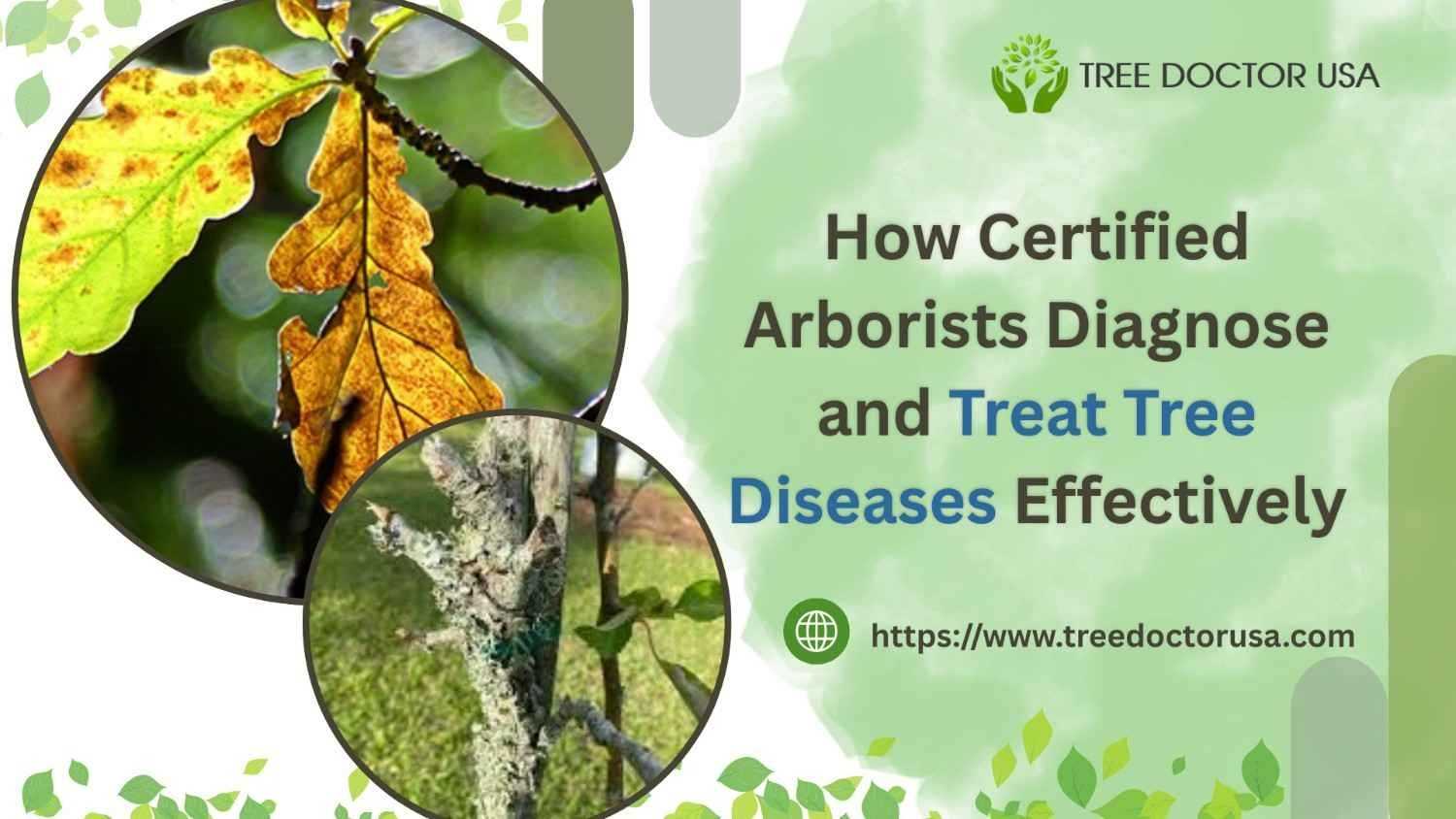
Many tree diseases look similar but require very different treatments. Certified arborists can accurately identify the issue and recommend safe, effective solutions.
When to Call a Certified Arborist
You should seek professional help immediately if you see:
- Trunk cankers on oak trees
- Persistent wilting or yellowing
- Rapid canopy dieback
- Signs of root disease or soil saturation
- Trees declining after storms or heavy rain
Delaying treatment can allow disease to spread to nearby trees and significantly increase removal costs.
Conclusion
This winter through early spring, California’s wet soil and cool temperatures increase the risk of tree diseases like Phytophthora root rot, anthracnose, and canker infections, while Sudden Oak Death remains a serious threat to oak trees statewide.
Early detection and proper seasonal care can protect your trees and prevent costly damage. If you notice any warning signs, contact Tree Doctor USA for a professional inspection. Our certified arborists provide expert diagnosis and treatment to help save your trees and keep your landscape healthy year-round
FAQs
The most common seasonal tree diseases in California include Sudden Oak Death, Phytophthora root rot, anthracnose, leaf blights, and emerging canker diseases like Foamy Bark Canker.
Cool temperatures and excess moisture allow fungal and soil-borne pathogens to spread quickly through wet soil, rain splash, and saturated roots.
Common signs include leaf spots, oozing sap, trunk cankers, premature leaf drop, wilting, thinning canopy, and slow or sudden decline.
Yes. Sudden Oak Death remains a serious threat to oak trees, especially in coastal and inland areas with frequent winter rainfall.
Phytophthora is a soil-borne disease that attacks tree roots in poorly drained soil, causing decline, wilting, and eventual tree failure if untreated.
Yes. Many tree diseases spread through soil, water runoff, pruning tools, insects, and airborne spores—especially during wet seasons.
Improving drainage, avoiding overwatering, pruning properly, removing infected debris, and scheduling professional inspections help reduce disease risk.
Call an arborist if you notice trunk cankers, persistent wilting, root problems, rapid decline, or signs of disease on oak trees.
A certified arborist with over 10 years of hands-on experience, I specialize in tree health care, disease diagnosis, risk assessment, and sustainable pruning practices. Through Tree Doctor USA, I help homeowners and businesses protect urban canopies with science-based care, preventive maintenance, and practical guidance that keeps trees healthy, safe, and resilient.