

-
 by Certified Arborist
 - 27 May 2026
- Views: 437
When to Hire a Certified Arborist in San Diego: 8 Signs Your Tree Needs Expert Help
Quick Takeaways — What This Guide Covers
- 8 specific warning signs that mean your San Diego tree needs professional diagnosis — not a wait-and-see approach
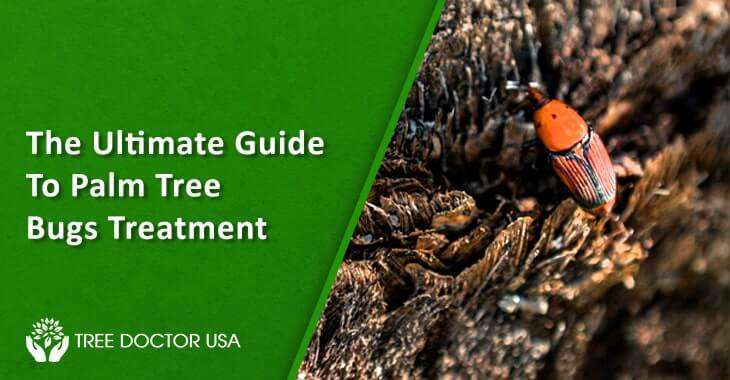
- How local pests (shot hole borer, gold-spotted oak borer) differ from national threats and require specialist treatment
- Why construction and landscaping near your tree can silently kill it over 1–3 years
- What ISA Certified Arborist credentials actually cover — and what separates them from general tree workers
- Exactly what happens during a professional tree consultation, step by step
- San Diego municipal codes around native oak removal that require permits and documentation
Intoduction
Your trees are among the most valuable assets on your property. A mature coast live oak or California sycamore can add thousands of dollars to your home’s value, dramatically cut summer cooling costs, and define the character of your entire landscape for decades.
But San Diego’s climate is uniquely punishing. Marine layer humidity, relentless Santa Ana winds, prolonged drought cycles, and invasive pests like the polyphagous shot hole borer create tree stress that most homeowners simply can’t diagnose on their own. Knowing when to call a ISA certified arborist in San Diego isn’t just about keeping leaves green—it’s about protecting your safety, your property value, and avoiding the far greater cost of emergency removal.
The 8 Signs That Mean It’s Time to Call a Professional
1. Unexplained leaf discoloration or wilting that won’t resolve
Leaves turning yellow or brown or developing spots outside of normal seasonal cycles are your tree’s distress signal. In San Diego, this commonly points to Fusarium wilt in palms and shade trees, root rot triggered by overwatering after drought stress, Xylella fastidiosa (bacterial leaf scorch), or nutrient deficiencies in our alkaline, clay-heavy soils.
If adjusting your irrigation doesn’t produce improvement within two weeks, the problem almost certainly lies below the surface. A certified arborist can run a soil analysis and examine the root flare and trunk to identify the true cause before it spreads to neighboring trees.
| Tip: Don’t wait more than 2 weeks after noticing symptoms — many vascular diseases spread to neighboring trees quickly. |
2. Holes, sawdust, or sap oozing from the trunk
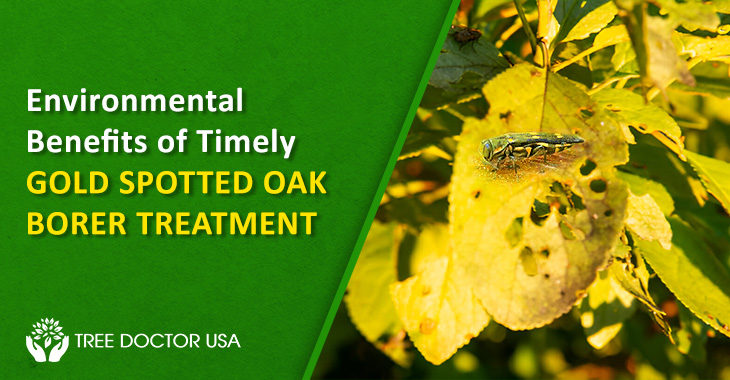
These are the textbook symptoms of a borer infestation—and in San Diego County, this is a genuine emergency. The polyphagous shot hole borer treatment and gold-spotted oak borer have collectively destroyed tens of thousands of trees across Southern California.
Watch for tiny exit holes roughly the size of a ballpoint pen tip, sawdust-like frass accumulating at the base, gumming or sap oozing from the bark, and branch dieback starting at the top of the canopy. By the time any of these are visible, the infestation is typically well advanced. A certified arborist can determine whether trunk injection treatment offers a realistic chance of saving the tree or whether removal is the more responsible choice to protect surrounding trees.
| Tip: Borer infestations spread to neighboring trees. Early intervention can protect your whole property — not just one tree. |
3. A tree that has started leaning or developed a visible crack
Not every leaning tree is dangerous—many grow angled toward light over years. But a tree that was previously upright and has begun to lean, or one with a new crack along the trunk or a major limb, is a structural emergency that demands immediate professional evaluation.
This is especially critical before Santa Ana wind season, which typically runs September through April in San Diego. A compromised root plate or hidden internal decay can turn an apparently stable tree into a falling hazard overnight. Arborists use specialized tools — including resistographs and sonic tomography — to assess internal wood density and root stability, giving you an objective risk rating rather than guesswork.
4. Mushrooms or fungal growth appearing at the base of the tree
Mushrooms scattered across your lawn after rain are generally harmless. Mushrooms or conks—those shelf-like fungal growths emerging directly from the base of your tree or from exposed surface roots—are an entirely different matter. They signal active internal wood decay caused by fungi that break down structural cellulose.
San Diego trees most commonly face Ganoderma (root and butt rot in palms and hardwoods) and Armillaria (oak root fungus). By the time fruiting bodies are visible, the internal decay may already be extensive. An arborist can use a resistograph or sonic tomography to map the decay and determine whether cabling, selective pruning, or full removal is the appropriate response.
5. Dead branches concentrated in one section of the canopy
A few dead twigs scattered through a mature tree are normal. A cluster of dead branches confined to one side—sometimes called ‘flagging’—is not. This pattern typically indicates root damage or girdling roots on that side, a vascular disease blocking nutrient flow, a localized borer infestation, or soil compaction affecting root function in one zone.
DIY pruning clears the visible deadwood but does nothing to address the underlying cause. A certified arborist diagnoses the source so the problem doesn’t migrate progressively through the rest of the canopy.
6. The tree failed to leaf out fully this spring
In San Diego’s mild climate, most deciduous trees are in full leaf by March. A sparse, delayed, or partially leafed-out canopy by April is a red flag. Partial canopy failure can signal root system damage from nearby construction, sudden oak death in coast live oaks, anthracnose or other fungal pathogens, or girdling roots slowly choking the trunk.
Catching this early can mean the difference between a preservation treatment and an eventual removal. Certified arborists can implement root zone aeration, targeted soil care, and disease management protocols to give the tree a realistic chance at recovery.
| Tip: Early spring is the best window to intervene — don’t wait until summer to act on a thin or delayed canopy. |
7. Recent construction, landscaping, or grade changes near the tree
Tree roots extend far beyond what most people expect—often two to three times the radius of the canopy dripline. Any trenching, driveway installation, pool construction, or significant re-landscaping within that zone damages the fine feeder roots responsible for water and nutrient uptake.
Symptoms of construction stress often don’t surface for one to three years, by which point the tree may already be in irreversible decline. If you’re planning construction near a mature tree, call an arborist beforehand for root zone protection. If construction has already happened and your tree looks stressed, immediate deep root fertilization and soil decompaction treatments can sometimes reverse the damage.
8. You’re considering significant pruning or removal
Any tree work beyond light pruning of small branches should involve a certified arborist. Improper pruning creates large open wounds that invite pests and fungal disease and can permanently compromise a tree’s structural integrity.
Practices like topping, lion-tailing, or removing more than 25% of the canopy in a single season violate ANSI A300 pruning standards and frequently trigger a decline spiral the tree never recovers from. For removals, a certified arborist first assesses whether the tree genuinely needs to come down or whether preservation is viable. They also navigate San Diego’s municipal tree protection codes, which require documentation and permits for the removal of native oaks.
What “ISA Certified Arborist” Actually Means—And Why It Matters in San Diego
Not every tree worker is an arborist, and not every arborist holds ISA certification. An ISA Certified Arborist has passed rigorous examinations across the following areas:
- Tree biology and physiology
- Diagnosis of diseases, pests, and abiotic disorders
- Soil science and nutrient management
- Safe work practices and industry standards
- Local regulations and tree protection ordinances
- ANSI A300 pruning standards
In a region facing mounting pressure from invasive pests like the shot hole borer and South American palm weevil, sustained drought stress, and increasingly extreme heat events, this expertise is not a premium—it’s the baseline. A certified arborist can distinguish between symptoms that look nearly identical but require completely different treatment approaches, saving you from wasted money and preventable tree loss.
What a Tree Consultation with Tree Doctor USA Looks Like
- When you schedule a consultation, here’s exactly what to expect:
- Thorough visual assessment of the full canopy, trunk, root flare, and surrounding landscape
- Pest and disease inspection informed by current regional threat intelligence — not generic checklists
- Soil evaluation when nutrition or root health is suspected as a contributing factor
- Structural risk rating for any trees showing signs of instability or decay
- Written recommendations with prioritized treatment options and transparent pricing — no unnecessary upsells
Conclusion
Key Takeaway
- Trees rarely fail without warning, but the warnings are easy to overlook until a storm, heat event, or pest season pushes a weakened tree past the point of no return.
- The eight signs in this guide are your early-warning system.
- A single consultation costs far less than emergency removal, property damage, or the decades it takes to replace a mature tree.
Get a Free Tree Consultation Across San Diego County
✔ Free consultation ✔ All San Diego County ✔ ISA Certified ✔ Same-week scheduling
Schedule Your Free Consultation Today →
No commitment required. We’ll give you a clear assessment and leave the decision with you.
FAQs
Tree Doctor USA offers free tree care consultations across San Diego County. Paid assessments from other providers typically range from $75–$250 depending on the number of trees and complexity. Always verify ISA certification before booking — unlicensed tree workers may appear cheaper but lack the diagnostic training to correctly identify disease, pest, or structural issues.
It depends on the species and location. San Diego has specific municipal codes protecting native oaks and certain heritage trees. Removing a protected tree without a permit can result in significant fines. A certified arborist can determine whether your tree falls under any protection ordinance and handle all permit documentation if removal is the appropriate course.
The polyphagous shot hole borer (PSHB) is an invasive beetle that bores into host trees and introduces a pathogenic fungus that blocks water and nutrient flow. It has been declared one of the most destructive invasive pests in Southern California history and has killed tens of thousands of trees across San Diego, Los Angeles, and Riverside counties. Early detection and trunk injection treatment are the most effective interventions — once infestation is advanced, removal may be the only responsible option.
Many stressed trees can be saved with early intervention. Root zone aeration, deep root fertilization, targeted disease treatment, and pest management protocols can reverse stress that looks severe on the surface. The key factor is timing — trees caught in early or moderate decline have far better outcomes than those assessed only after significant structural failure. A certified arborist’s job is always to exhaust preservation options before recommending removal.
For most mature trees, an annual inspection by a certified arborist is the recommended standard — ideally in late winter before the spring growth season. In San Diego specifically, an additional structural assessment before Santa Ana wind season (September) is advised for any trees near structures. Trees that have experienced recent construction, drought stress, or any of the eight warning signs in this guide should be assessed immediately.
A tree trimmer performs physical cutting work but typically has no formal training in tree biology, disease diagnosis, or structural Tree Risk Assessment in San Diago. An ISA Certified Arborist has passed comprehensive examinations in tree science and holds ongoing education requirements to maintain certification. For routine trimming of healthy trees, a skilled trimmer may be appropriate. For any tree showing signs of stress, disease, pest damage, or structural concern, a certified arborist is essential — incorrect pruning of a compromised tree can accelerate its decline or create a safety hazard.
A certified arborist with over 10 years of hands-on experience, I specialize in tree health care, disease diagnosis, risk assessment, and sustainable pruning practices. Through Tree Doctor USA, I help homeowners and businesses protect urban canopies with science-based care, preventive maintenance, and practical guidance that keeps trees healthy, safe, and resilient.