
-
 by Certified Arborist
 - 29 May 2026
- Views: 613
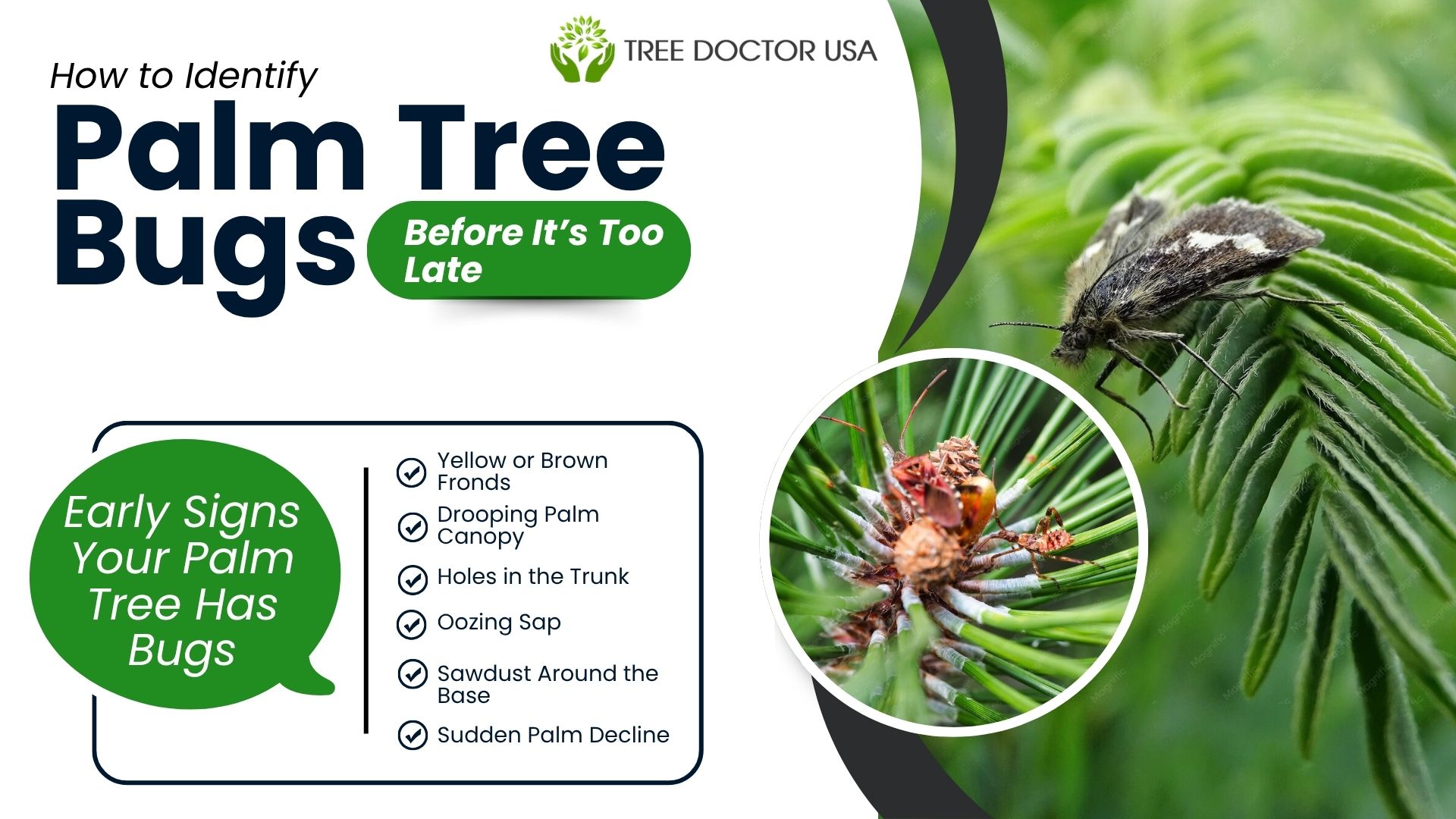
How to Identify Palm Tree Bugs Before It’s Too Late
Key Takeaways
- Palm tree bugs can destroy palms from the inside before visible symptoms appear.
- Common palm pests in California include palm weevils, giant palm borers, scale insects, spider mites, and aphids.
- Early warning signs include yellow fronds, trunk holes, drooping canopies, sap leakage, and sawdust around the base.
- Canary Island Date Palms are among the most vulnerable palm species.
- Preventive treatments and regular inspections can help protect valuable palm trees.
- Fast treatment is critical because severe infestations can spread quickly to nearby palms.
Introduction
Palm tree bugs are becoming a major threat across California, especially in Southern California where warm temperatures help destructive pests spread rapidly. Many homeowners fail to notice early warning signs until their palm tree becomes hazardous or dies completely.
Learning how to identify palm tree bugs treatment early can help save your trees, reduce treatment costs, and prevent nearby palms from becoming infested.
Why Palm Tree Bugs Are Dangerous
Palm tree bugs weaken trees internally and often go unnoticed during the early stages of infestation. Some pests tunnel through the trunk while others feed on leaves, sap, or root systems.
Without treatment, infestations can cause:
- Palm tree death
- Structural instability
- Falling fronds
- Crown collapse
- Expensive emergency removal
- Spread to surrounding palm trees
California’s warm climate allows many palm pests to remain active throughout most of the year.
Most Common Palm Tree Bugs in California
South American Palm Weevil
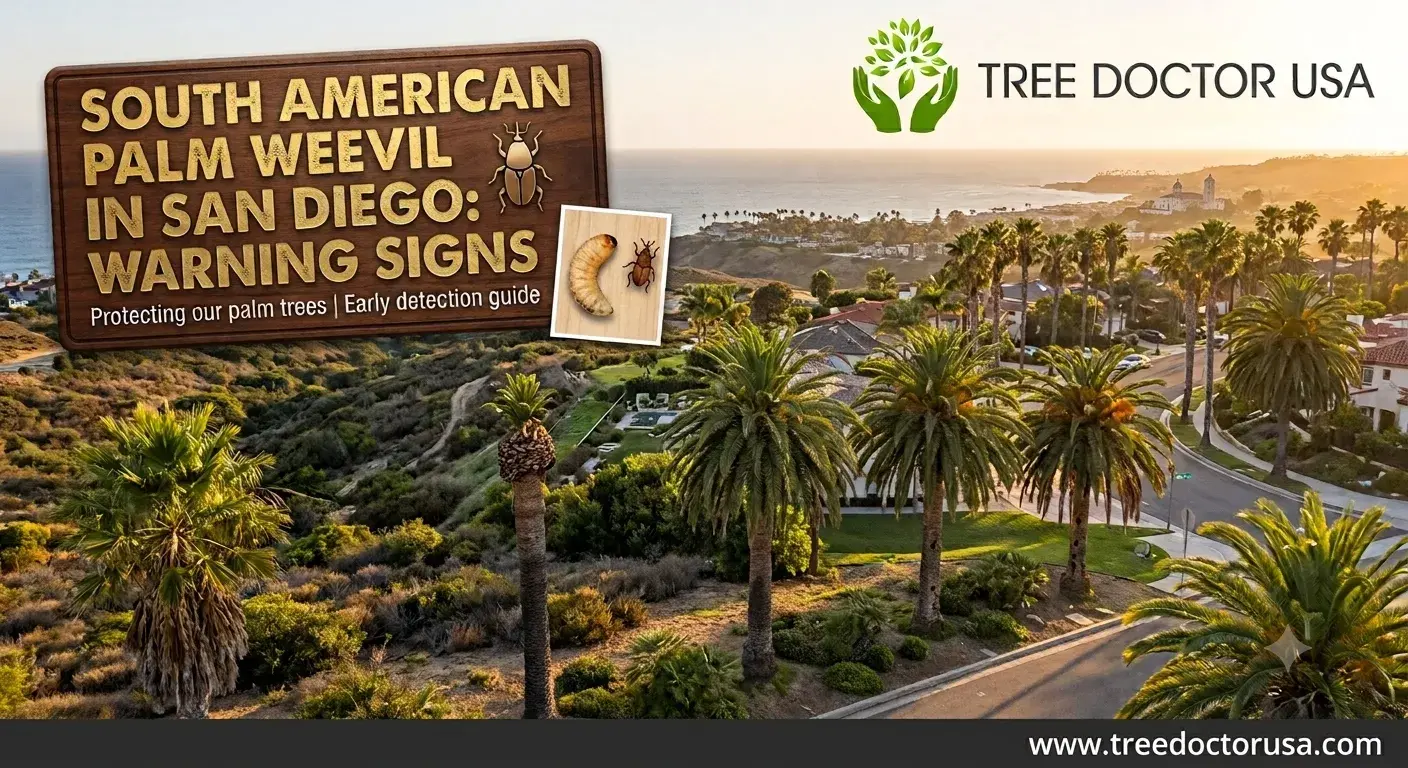
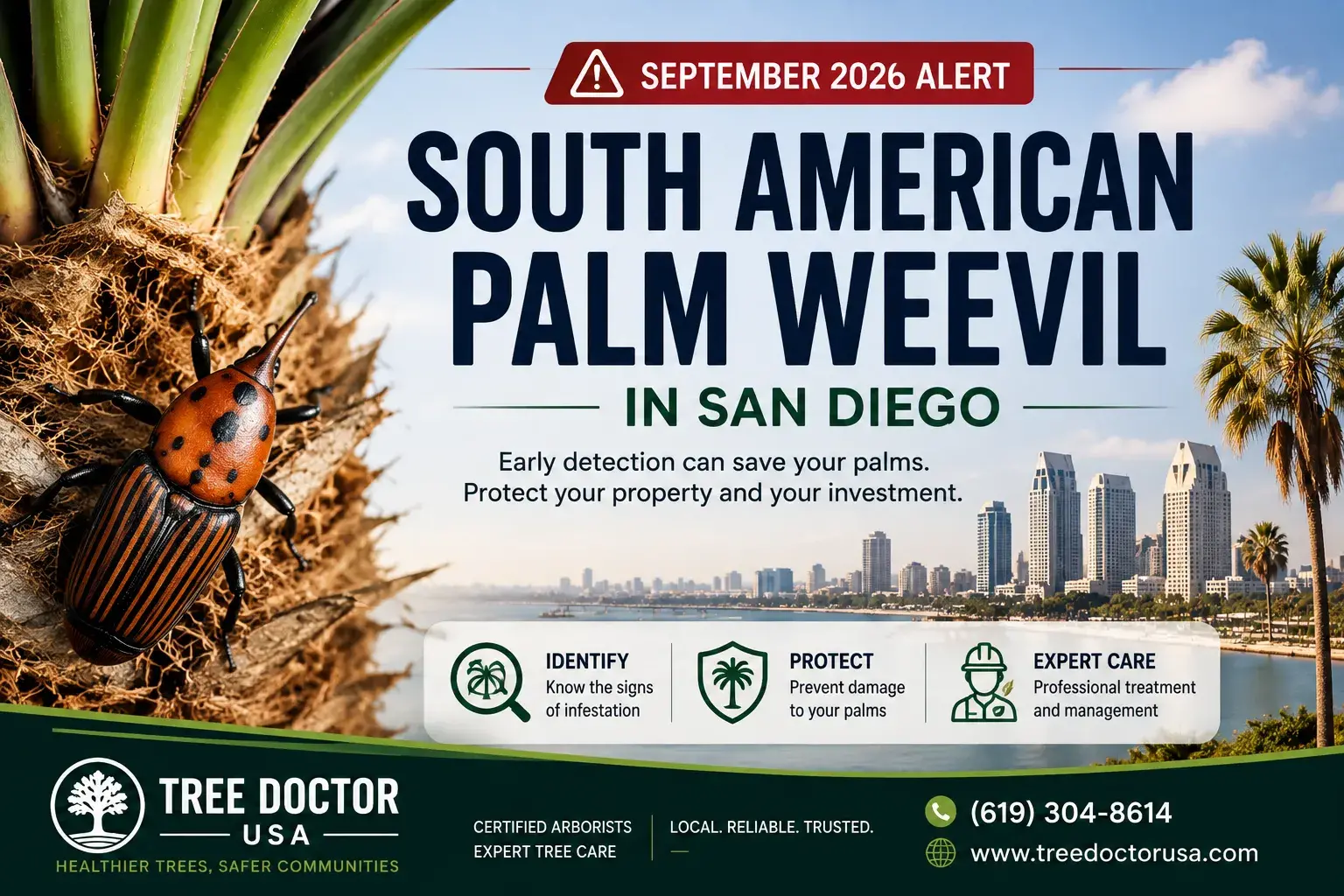
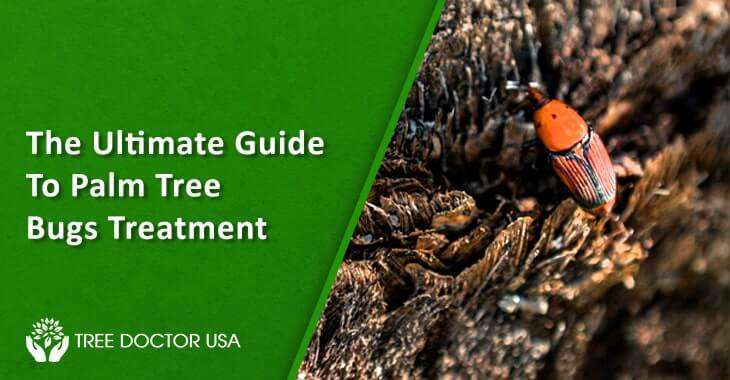
The South American Palm Weevil is currently one of the most destructive palm pests affecting California palm trees. These insects lay eggs inside stressed or damaged palms, where larvae tunnel through the trunk and feed internally.
Signs of Palm Weevil Infestation
- Drooping canopy
- Holes near the crown
- Oozing sap
- Fermented odor
- Sawdust-like frass
- Sudden crown collapse
Because the damage occurs inside the trunk, many infestations are discovered too late.
Giant Palm Borer
Giant Palm Borers attack mature palms and can remain hidden inside the trunk for years.
Common Symptoms
- Wilting fronds
- Weak canopy
- Large exit holes
- Hollow trunk sounds
- Internal decay
Scale Insects
Scale insects attach themselves to palm leaves and feed on nutrients.
Warning Signs
- Sticky residue on fronds
- Yellow spotting
- Black sooty mold
- Weak growth
- Discolored leaves
Spider Mites
Spider mites are extremely common during hot, dry weather conditions in California and can quickly damage stressed palm trees and ornamental plants. Professional Spider Mites Treatment Services can help control infestations before they spread and cause severe leaf damage.
Symptoms Include
- Tiny webbing
- Browning leaf tips
- Speckled leaves
- Premature leaf drop
Aphids and Mealybugs
These sap-feeding insects weaken overall palm health and encourage mold growth.
Signs to Watch For
- Sticky honeydew
- Ant activity
- Curled leaves
- Mold buildup
- Weak new growth
Early Signs Your Palm Tree Has Bugs
Early detection is critical for preventing severe palm damage.
Yellow or Brown Fronds
Discolored fronds often indicate internal stress or pest activity.
Drooping Palm Canopy
A sagging canopy may signal advanced internal damage caused by weevils or borers.
Holes in the Trunk
Small holes or tunnels are common signs of boring insects.
Oozing Sap
Sap leakage may indicate insect entry points or internal decay.
Sawdust Around the Base
Frass or sawdust near the trunk usually means insects are tunneling inside the palm.
Sudden Palm Decline
Rapid decline is often a warning sign of severe infestation.
Which Palm Trees Are Most Vulnerable?
Certain palm species are more likely to attract pests, including:
- Canary Island Date Palm
- Mexican Fan Palm
- Queen Palm
- Date Palm
- Coconut Palm
Poor watering, pruning wounds, drought stress, and nutrient deficiencies can increase vulnerability.
How to Prevent Palm Tree Bugs
Schedule Routine Palm Inspections
Professional inspections help identify pest activity early.
Avoid Excessive Pruning
Fresh pruning wounds can attract palm weevils and boring insects.
Keep Palm Trees Healthy
Healthy palms are more resistant to pests and disease.
Remove Dead Fronds Carefully
Dead material can attract insects and fungal problems.
Apply Preventive Treatments
Preventive trunk injections and systemic treatments can protect high-value palms.
Palm Tree Bug Treatment Options
Palm Tree Bug Treatment depends on the pest species and infestation severity.
Trunk Injection Treatments
Systemic insecticides target pests feeding inside the trunk.
Crown Treatments
Protect the canopy and crown area from active infestations.
Soil Drench Applications
Improve overall tree health and pest resistance.
Emergency Palm Removal
Severely infested palms may require immediate removal to protect nearby trees.
When to Call a Certified Arborist
Contact a certified arborist immediately if you notice:
- Crown collapse
- Large trunk holes
- Oozing sap
- Sudden canopy decline
- Severe yellowing
- Palm instability
Early professional treatment may help save the tree and prevent widespread infestation.
Final Thoughts
Palm tree bugs can quickly turn healthy palms into costly and hazardous liabilities when left untreated. Early detection, routine inspections, and preventive care are essential for protecting palm trees across California landscapes.
If you notice yellowing fronds, trunk holes, drooping canopies, or other signs of infestation, don’t wait for the damage to spread. Contact our certified arborists today for a professional palm tree inspection and customized treatment plan.
👉 Contact Us for Palm Tree Bug Treatment & Inspection Services
FAQs
Common palm tree bugs include palm weevils, giant palm borers, scale insects, spider mites, aphids, and mealybugs.
Signs of infestation include yellow fronds, drooping leaves, trunk holes, sap leakage, sawdust near the base, and rapid palm decline.
Yes, palm trees can recover if infestations are identified and treated early. Severe internal damage may require removal.
South American Palm Weevils and Giant Palm Borers are major causes of palm decline across Southern California.
Certified arborists use trunk injections, systemic insecticides, crown treatments, and preventive pest management plans.
You should contact an arborist as soon as you notice unusual palm decline, canopy drooping, trunk holes, or signs of infestation.
A certified arborist with over 10 years of hands-on experience, I specialize in tree health care, disease diagnosis, risk assessment, and sustainable pruning practices. Through Tree Doctor USA, I help homeowners and businesses protect urban canopies with science-based care, preventive maintenance, and practical guidance that keeps trees healthy, safe, and resilient.