

-
 by Certified Arborist
 - 4 Dec 2021
- Views: 8209
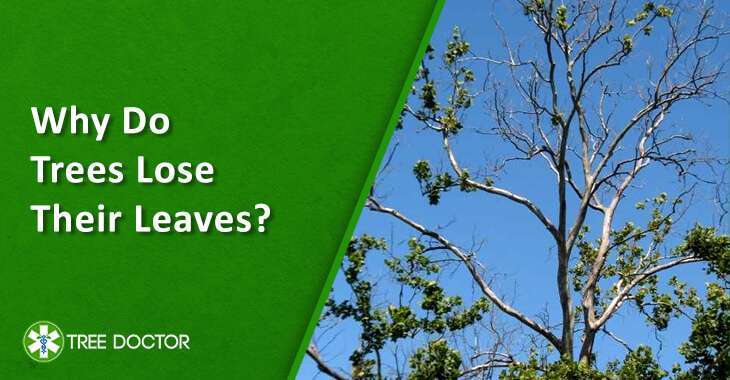
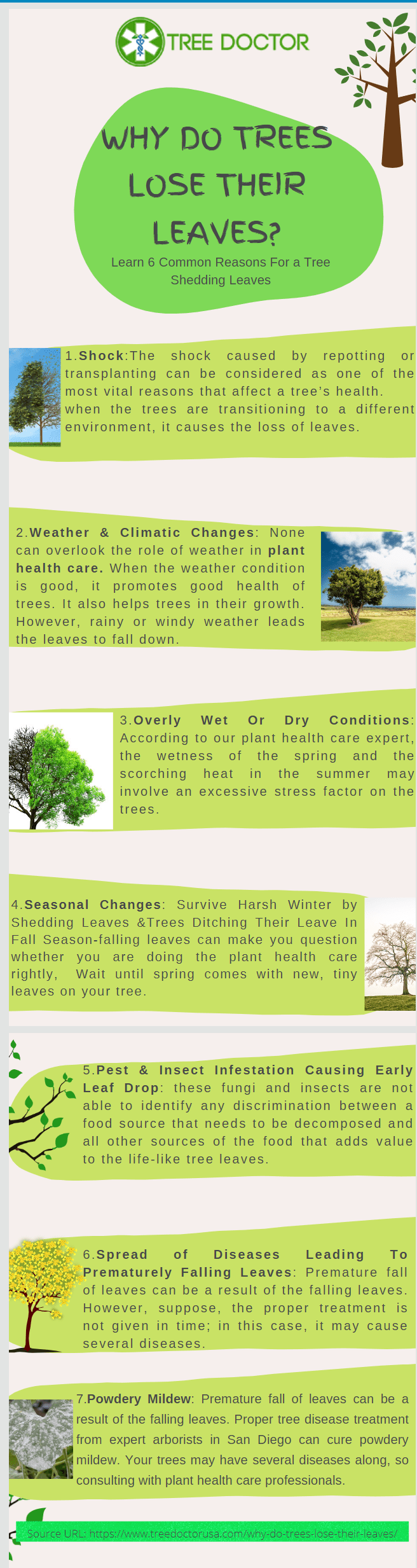
Why Do Trees Lose Their Leaves?
If there’s one clear indication of winter making its way for a year, it is trees shedding leaves. Trees that shed leaves when winter is approaching are called deciduous trees. However, losing leaves continuously can be a symptom of sickness for trees, and that’s where sick tree treatment in San Diego comes in handy.
In this regard, we tried to know from our tree health experts if we can determine why leaves fall off and can it be a sign of sickness for trees. And what we learn is that it is a matter of grave concern when trees start shedding their leaves apart from the winter.
There’s a high chance of fungi infection in a tree that loses its leaves apart from the time when winter approaches. Additionally, excessive wet/dry soil conditions and unfavorable weather can make trees lose leaves. Let’s have a look at common reasons for a tree to shed leaves.
6 Common Reasons For a Tree Shedding Leaves
Shock
The shock caused by repotting or transplanting can be considered as one of the most vital reasons that affect a tree’s health. It is also true that plants transported to the outdoors from the indoor environment and vice versa can also be a reason. However, temperature fluctuation, excessive sunlight, and excessive moisture can cause the worst impact on tree health, making plant health care an absolute must.
However, especially when the trees are transitioning to a different environment, it causes the loss of leaves. However, proper sick tree treatment in San Diego can be beneficial to treat all the issues.
Weather & Climatic Changes
None can overlook the role of weather in plant health care. When the weather condition is good, it promotes good health of trees. It also helps trees in their growth. However, rainy or windy weather leads the leaves to fall down.
Also Read: Best Way to Keep Trees Healthy This Winter
Overly Wet Or Dry Conditions
According to our plant health care expert, the wetness of the spring and the scorching heat in the summer may involve an excessive stress factor on the trees. The sufficient amount of moisture found under the soil can have the worst impact on the autumnal color of the tree leaves. The moisture present in the soil changes its form every year, like the weather. The late spring or the drought of the summer can cause delayed fall. However, the warm period may also have the worst impact on the potency of the autumnal colors.
Seasonal Changes
Like everything else in the world, a tree’s behavior is also subject to change. The behavior of the tree solely relies on the behavior of the sun. Therefore, seasonal changes have a great impact on the falling of the leaves according to plant health care professionals. However, you can treat them with the right sick tree treatment in San Diego.
Survive Harsh Winter by Shedding Leaves
-
Nature has built-in mechanisms to help trees adapt to changing environmental conditions.
-
During winter, trees reduce chlorophyll production when they receive less heat and sunlight.
-
Chlorophyll is the green pigment responsible for primary energy production in leaves.
-
When chlorophyll decreases, other pigments already present in the leaves become visible.
-
These pigments appear as yellow, orange, or other fall colors.
-
Trees then form a new layer of cells at the base of the leaf stem and branches.
-
This layer blocks the flow of nutrients and water to the leaves.
-
Without nutrients, leaves can no longer stay attached and begin to shed naturally.
-
Tree owners in San Diego may consider professional treatment options to address tree health issues and ensure proper care.
Trees Ditching Their Leave In Fall Season
-
Deciduous trees can sense winter approaching as days become shorter and nights get longer.
-
During winter, trees cannot collect enough sunlight and water to produce food through photosynthesis.
-
Shedding leaves is a natural survival mechanism that helps trees conserve energy and endure harsh winter conditions.
-
Trees rely on a plant hormone called Auxin, which keeps leaves facing outward and upward to absorb maximum light.
-
Cold winter temperatures reduce Auxin production, causing leaves to detach from the branches and fall.
-
Falling leaves may worry tree owners, but this process is completely natural and healthy.
-
When spring arrives, trees grow new, fresh leaves and resume normal growth.
Pest & Insect Infestation Causing Early Leaf Drop
Fungal infections or an infestation of pests and insects is very common among the trees in the wet spring. Fungi and insects refer to all the organisms that generally involve all the food excreting enzymes that again break down into the molecules.
Generally, these fungi and insects are not able to identify any discrimination between a food source that needs to be decomposed and all other sources of the food that adds value to the life-like tree leaves.
Scale
-
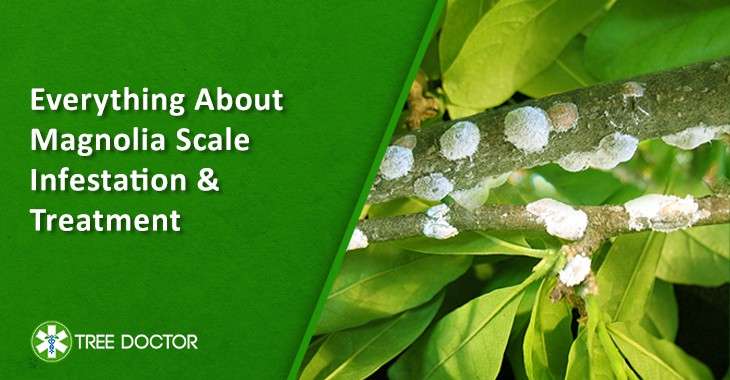
Scale insects are waxy pests that feed on tree sap by piercing leaves and branches.
-
This sap loss makes it harder for trees to retain moisture and essential nutrients.
-
Scales excrete a sticky substance called honeydew, which coats leaves and branches.
-
Honeydew encourages the growth of sooty mold, reducing photosynthesis and weakening the tree.
-
Sooty mold can lead to further infestations and serious damage to tree leaves.
-
There are more than 60 varieties of scale insects, many of which go unnoticed until branches begin to die.
-
Professional scale treatment in San Diego can help control infestations effectively.
-
Experts often use non-toxic treatments to protect both tree health and the environment.
-
According to plant health care professionals, regular tree care plays a key role in maintaining long-term tree health.
Hole Shot Borer
-
Tree borers are a group of insects that lay their eggs on specific parts of a tree.
-
Once hatched, the larvae feed on the tree’s living tissues for nourishment.
-
These insects are commonly clearwing moths or beetles, but regardless of the type, the damage they cause is similar.
-
Plant health care professionals state that timely treatment in San Diego can help prevent shot borer infestations and maintain overall tree health.
-
Tree borer insects can severely damage multiple parts of a tree by chewing through vital tissues.
-
Over time, they begin girdling the tree, weakening branches and structure.
-
This weakening can cause branches or even entire trees to break under pressure.
-
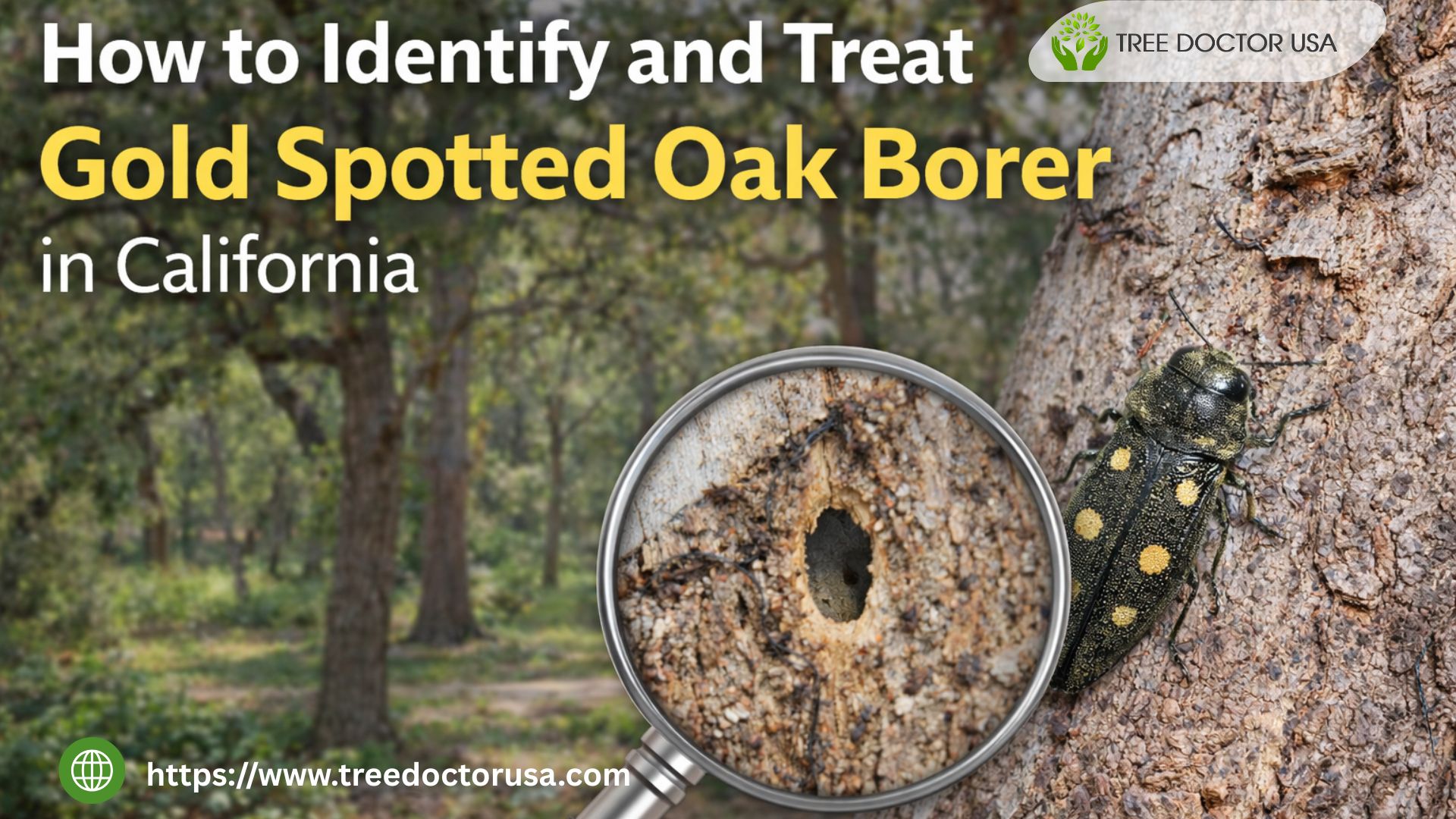
One of the most common signs of tree borer infestation is the presence of tiny holes in the tree trunk.
Boring Insect
-
According to plant health care experts, tree borers are insects that live and reproduce inside trees and other woody plants.
-
These insects include beetles, moths, and wasps.
-
Trees are especially vulnerable to borer infestations, which can severely affect overall tree health.
-
Tree borers are mainly divided into two categories: primary and secondary invaders.
-
Both types act as harmful invaders to trees.
-
Primary invaders attack healthy trees and gradually weaken them.
-
Boring insects damage internal tissues, often leading to leaf drop and decline in tree vitality.
Spread of Diseases Leading To Prematurely Falling Leaves
Premature fall of leaves can be a result of the falling leaves. However, suppose, the proper treatment is not given in time; in this case, it may cause several diseases.
Anthracnose
-
Anthracnose is one of the main causes of leaf drop in trees.
-
Infected leaves often become distorted and curled.
-
Severe infection can lead to leaf fall during spring.
-
Trees usually produce new leaf growth by midsummer after the leaf drop occurs.
-
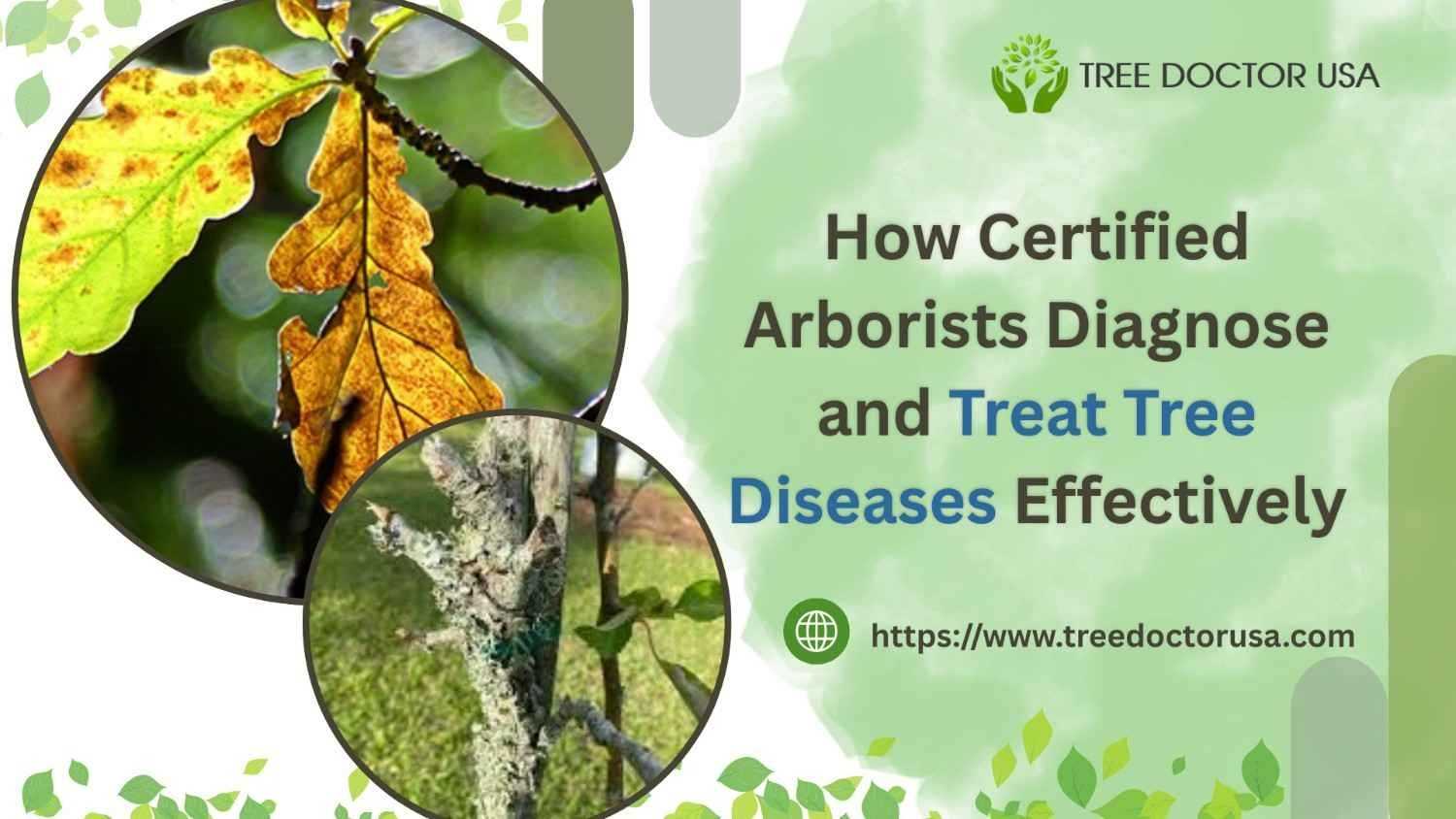
Anthracnose causes dark tan or brown spots on mature leaves.
-
Mature leaves with spots usually do not become distorted.
-
If proper plant care is not provided on time, anthracnose can cause excessive leaf shedding.
Leaf Spot
-
Leaf spot is one of the most common reasons trees shed their leaves.
-
The symptoms of leaf spot vary depending on the causal agent.
-
Leaf spots can be caused by air pollutants, viruses, and bacteria.
-
In most cases, leaf spot is caused by pathogenic fungi.
-
These fungi grow on dead or weakened leaves and gradually destroy the leaf tissues.
-
Affected leaves develop spots of different sizes.
-
The dead areas on leaves usually turn brown or black.
-
Severe pest or fungal infestations can lead to complete defoliation.
-
Proper and timely treatment is required to manage this tree issue, especially in San Diego.
Leaf Blister
-
Leaf blister is a fungal disease caused by the Taphrina caerulescens fungus.
-
It appears as circular spots on the upper surface of leaves.
-
These spots can grow up to 2 inches in diameter.
-
The disease commonly develops during the winter season.
-
Symptoms usually appear within a few weeks of infection.
-
Early blisters may start as 1–1.5 inch circular areas.
-
Light green bulges on the leaf surface are a common sign of leaf blister.
-
If trees are not given proper care, the disease can worsen.
-
Severe infection may eventually cause premature leaf drop.
Powdery Mildew
-
Powdery mildew is a common plant disease that appears as a white or gray powdery growth on the surface of leaves, fruits, and flowers.
-
This disease is caused by specialized fungal pathogens such as Microsphaera, Podosphaera, and Uncinula.
-
Powdery mildew spreads rapidly under favorable conditions and can weaken the overall health of trees and plants.
-
Professional tree disease treatment by experienced arborists in San Diego can effectively control and cure powdery mildew.
-
Trees may suffer from multiple diseases at the same time, making early diagnosis and expert care essential.
-
Consulting plant health care professionals helps identify the exact cause and apply the correct treatment.
-
High humidity, poor air circulation, and shaded environments encourage the growth of powdery mildew.
-
Proper tree care, regular monitoring, and maintaining good airflow are crucial for preventing this disease.
-
The long-term health of trees depends on consistent care, timely treatment, and overall plant well-being.
Final Thoughts
This article is intended to cover all the aspects and reasons why trees shed their leaves. However, if you are still not convinced or you are thinking that the trees in your yard require tree health inspection and treatment in San Diego or not, in this case, it is always a great idea to consult a plant health care professional. Experts assist you to maintain the well-being of a tree before it gets worse. To learn more, feel free to consult us.
A certified arborist with over 10 years of hands-on experience, I specialize in tree health care, disease diagnosis, risk assessment, and sustainable pruning practices. Through Tree Doctor USA, I help homeowners and businesses protect urban canopies with science-based care, preventive maintenance, and practical guidance that keeps trees healthy, safe, and resilient.