

-
 by Certified Arborist
 - 21 Dec 2022
- Views: 1568
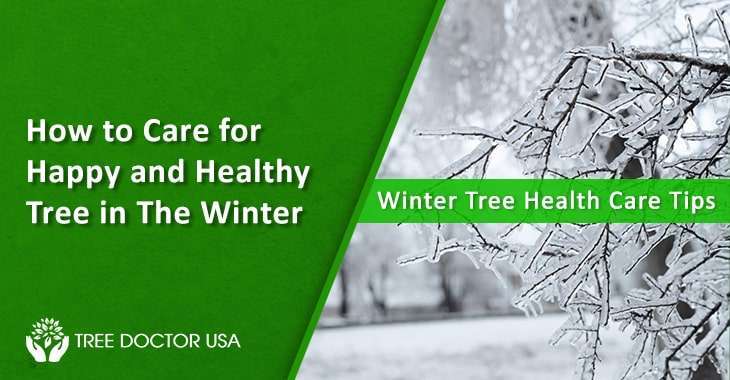
A tree should be pruned when it is dormant. It may be late fall or early winter, depending on the type of tree. Pruning a dormant tree is easier on the tree and stimulates development in the spring.
-
by Certified Arborist
- 19 Dec 2022
- Views: 1534
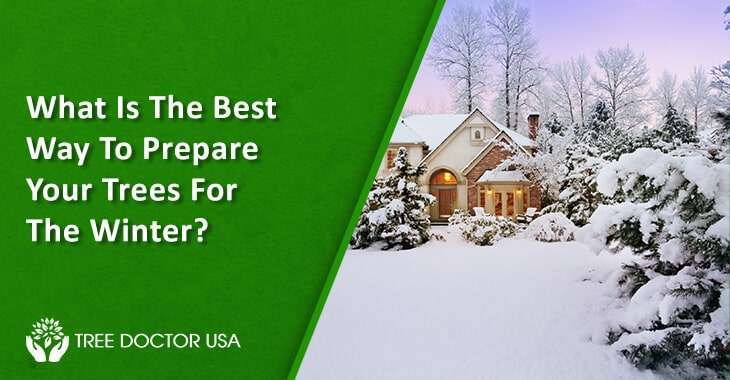
The onset of winter weather is imminent, and you won’t be the only one who needs to wear warm clothing. It is imperative that you get your trees ready. If you do not, you run the chance of them breaking, falling, or simply being an eyesore in your yard.
-
by Certified Arborist
- 16 Dec 2022
- Views: 2249
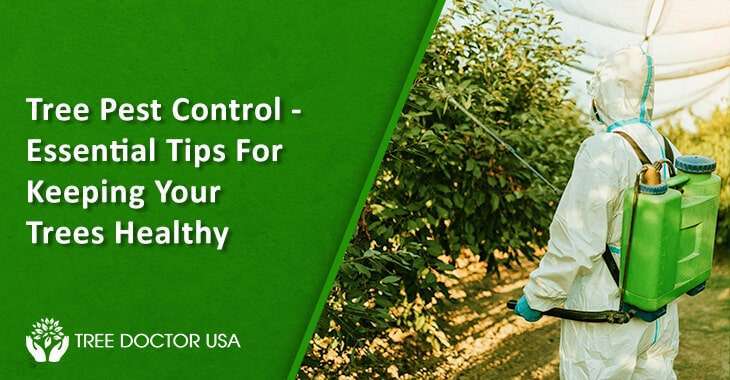
Trees are the hardest and most valuable working part of the landscape. Plants and trees are most important for humans and the environment. They shade our homes as well as neighborhoods by cutting energy costs.
-
by Certified Arborist
- 14 Dec 2022
- Views: 1957
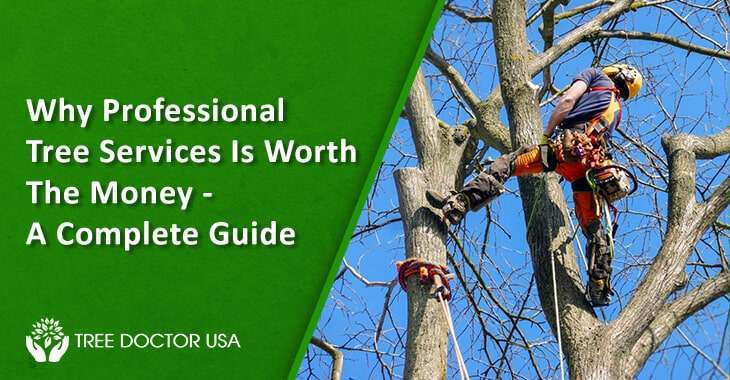
Most homeowners used to regularly conduct regular maintenance of their yards to keep the surrounding at their best. Around 90% of yard owners believe that taking good care of the backyard is essential.
-
by Certified Arborist
- 12 Dec 2022
- Views: 1834
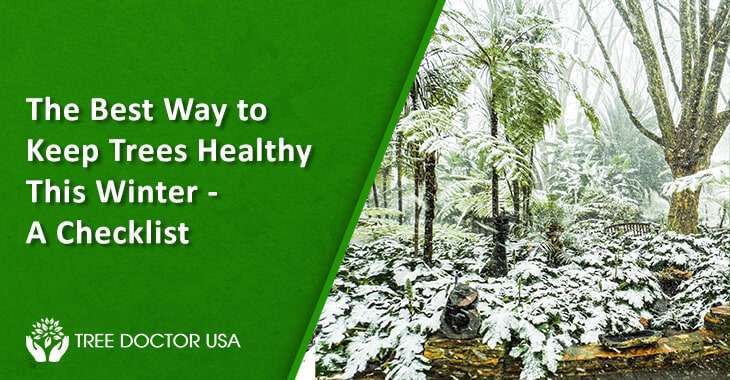
The winter season is now behind us, and spring is officially here, which means that most of our employees are hard at work performing spring cleaning and maintenance on our customers’ properties. Now is the ideal time to prepare landscapes for healthy growth that will continue through the spring, fall, and even into the later months of winter.
-
by Certified Arborist
- 9 Dec 2022
- Views: 3152
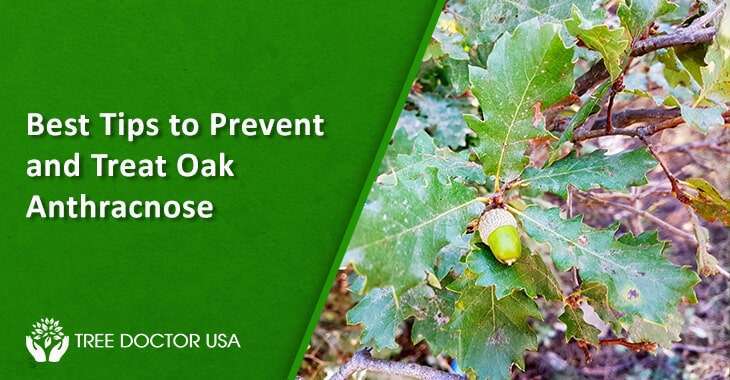
Anthracnose is a common fungal disease that affects greatly. It is not only affecting plants but also affects fruits, vegetables and trees even. Of course, it causes dark sunken lesions on leaves, stems, flowers and others.